


Buy premium Peptides Blend online at PeptideShop.to. Purchase high-quality blends for sale designed for recovery, performance, and advanced research needs.

✔️ Promoting rapid tendon, ligament, and muscle repair
✔️ Supporting joint and soft tissue recovery
✔️ Reducing inflammation and injury downtime
✔️ Enhancing overall healing and athletic performance
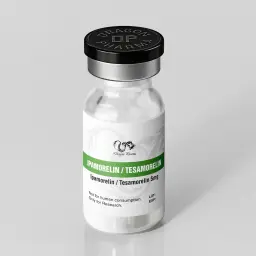
✔️ Stimulating natural growth hormone release
✔️ Supporting muscle growth and recovery
✔️ Enhancing fat metabolism and lean body composition
✔️ Promoting overall energy, vitality, and performance
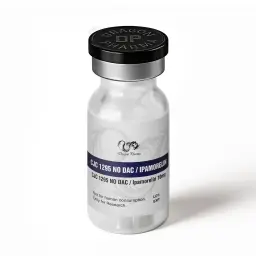
✔️ Stimulating natural growth hormone release
✔️ Supporting muscle growth and recovery
✔️ Enhancing fat metabolism and lean body composition
✔️ Promoting improved sleep and overall wellness
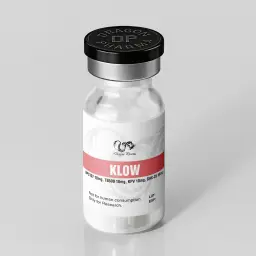
✔️ Accelerating tendon, ligament, and muscle repair
✔️ Supporting joint, tissue, and wound healing
✔️ Reducing inflammation and promoting recovery
✔️ Enhancing skin, tissue, and overall regenerative health

✔️ Promoting tendon, ligament, and muscle repair
✔️ Supporting joint and soft tissue recovery
✔️ Reducing inflammation and injury downtime
✔️ Enhancing tissue regeneration and overall healing
Peptide Blends for Laboratory and Preclinical Research
Introduction and Overview
The category of peptide blends refers to combinations of multiple synthetic or recombinant peptides formulated for use in laboratory and preclinical research. These blends are designed as experimental tools to enable multi-target investigation of biochemical pathways, receptor interactions, and cellular signaling networks within controlled scientific environments.
Unlike single-compound systems, peptide blends allow researchers to evaluate synergistic or comparative molecular effects across interconnected pathways. These materials are strictly classified as for research purposes only and are not approved for human consumption, diagnostic use, or therapeutic application under any regulatory framework.
Biological Relevance
Multi-Pathway Signaling and Molecular Crosstalk
Biological systems operate through highly interconnected signaling networks rather than isolated pathways. Peptide blends are used in experimental settings to investigate molecular crosstalk between signaling cascades such as MAPK/ERK, PI3K/Akt, JAK/STAT, and cAMP-dependent pathways. These studies help researchers understand how multiple signaling systems interact under controlled laboratory conditions.
Cellular Heterogeneity and Tissue-Specific Responses
Different cell types exhibit distinct responses to biochemical stimuli. Peptide blends are applied to evaluate heterogenous responses across cellular populations such as fibroblasts, neurons, immune cells, and endothelial cells. This allows for comparative analysis of receptor expression, intracellular signaling efficiency, and gene regulation across experimental models.
Systems Biology and Integrated Modeling
In systems biology research, peptide blends are used to simulate complex biological environments. By combining multiple signaling molecules, researchers can model integrated physiological responses related to metabolism, inflammation, and cellular stress adaptation. These approaches support computational and experimental frameworks in metabolic research and inflammation research.
Key Types of Peptide Blends in Research
Receptor-Targeting Blends
These blends consist of peptides designed to interact with multiple receptor systems simultaneously. Laboratory studies use them to analyze receptor binding dynamics, competitive signaling, and downstream pathway activation under controlled conditions.
Metabolic and Energy Regulation Blends
This class of blends is used to investigate biochemical pathways involved in cellular energy regulation, mitochondrial signaling, and metabolic adaptation. Research often overlaps with metabolic research and longevity research.
Structural and Tissue Interaction Blends
These peptide combinations are studied for their effects on extracellular matrix signaling, tissue organization, and cellular adhesion processes. They are frequently applied in experimental models relevant to musculoskeletal research, dermatology research, and regeneration research.
Neuro-Endocrine Interaction Blends
Certain blends are used to explore the interface between nervous and endocrine systems. These studies focus on neuropeptide signaling, hormonal regulation, and feedback loop integration, often connecting with neurocognitive research and endocrine research.
Internal and External Research Connections
Peptide blends are widely used across multiple disciplines due to their multi-target nature. In immune support research, they are used to examine cytokine signaling networks and immune cell communication. In cardiovascular research, they support studies on vascular signaling and endothelial response mechanisms.
Additional interdisciplinary applications include reproductive research, where hormone-linked peptide interactions are studied, and laboratory research supplies, which provide standardized materials for reproducible experimental design.
For peer-reviewed scientific literature and methodological guidance, researchers commonly reference PubMed, the NCBI database, and the National Institutes of Health, which provide extensive resources on molecular biology, peptide chemistry, and systems-level research.
Compliance and Disclaimer
All peptide blends in this category are strictly intended for laboratory and preclinical research purposes only. They are not approved for human or veterinary use by regulatory agencies such as the U.S. Food and Drug Administration.
Researchers must comply with institutional biosafety protocols, ethical guidelines, and applicable regulatory standards. International guidance from the World Health Organization supports responsible handling and standardized laboratory practices for experimental compounds.
Frequently Asked Questions
What are peptide blends used for?
Peptide blends are used in laboratory studies to investigate multi-pathway biological interactions, allowing researchers to analyze complex signaling networks under controlled experimental conditions.
Are peptide blends approved for human use?
No. All peptide blends are strictly for research purposes only and are not approved for clinical, diagnostic, or therapeutic applications.
Why are multiple peptides used together in research?
Combining peptides allows researchers to study pathway interactions, receptor cross-talk, and system-level biological responses that cannot be observed with single-compound models.
Which fields commonly use peptide blends?
They are widely used in metabolic research, neurocognitive research, inflammation research, and regeneration research.
Where can scientific data on peptide blends be found?
Reliable scientific literature is available through PubMed, the NCBI platform, and resources from the National Institutes of Health.
References
PubMed – Peptide Signaling and Molecular Networks
NCBI – Systems Biology and Cellular Communication
WHO – Laboratory and Research Standards
NCBI – Signal Transduction and Cellular Networks

