


Buy premium SARM's online at PeptideShop.to. Purchase high-quality SARMs for sale with fast US shipping, trusted sourcing, and performance-focused compounds for athletes and bodybuilders.

✔️ Building Muscle Mass
✔️ Increasing Strength and Endurance
✔️ Supporting Fat Loss
✔️ Improving Bone Density

✔️ Building Lean Muscle
✔️ Increasing Strength and Performance
✔️ Supporting Fat Loss
✔️ Enhancing Bone Health

✔️ Enhancing Endurance and Stamina
✔️ Supporting Fat Loss
✔️ Improving Cardiovascular Health
✔️ Boosting Exercise Performance

✔️ Treating Hair Loss
✔️ Stimulating Hair Growth
✔️ Supporting Scalp Health
✔️ Regrowing Thicker Hair
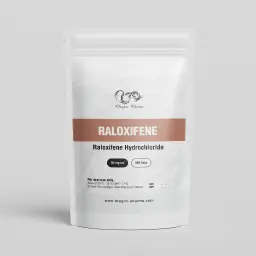
✔️ Preventing and Treating Osteoporosis
✔️ Reducing the Risk of Breast Cancer
✔️ Supporting Bone Density
✔️ Managing Estrogen-related Conditions

✔️ Promoting Muscle Growth
✔️ Enhancing Fat Loss
✔️ Increasing Strength and Endurance
✔️ Supporting Lean Body Composition

✔️ Promoting Muscle Growth
✔️ Increasing Strength and Power
✔️ Enhancing Fat Loss
✔️ Inhibiting Myostatin for Muscle Development

✔️ Promoting Muscle Growth
✔️ Enhancing Strength and Performance
✔️ Supporting Fat Loss
✔️ Improving Athletic Endurance

✔️ Stimulating Growth Hormone Release
✔️ Enhancing Muscle Growth
✔️ Improving Sleep Quality
✔️ Supporting Fat Loss and Recovery

✔️ Treating Low Testosterone in Men
✔️ Stimulating Natural Testosterone Production
✔️ Improving Libido and Energy Levels
✔️ Enhancing Male Fertility and Sperm Quality
SARMs (Selective Androgen Receptor Modulators) – Laboratory Research Compounds
Introduction and Overview
SARMs (Selective Androgen Receptor Modulators) are a class of synthetic small molecules studied in laboratory and preclinical research for their interaction with androgen receptors across different tissue types. In experimental contexts, these compounds are used to investigate receptor selectivity, gene transcription modulation, and tissue-specific androgen signaling pathways.
Within biomedical research, SARMs are of interest due to their ability to bind androgen receptors with varying degrees of tissue selectivity in controlled model systems. These compounds are strictly designated for research purposes only and are not approved for human consumption, clinical use, or therapeutic applications under any regulatory authority.
Biological Relevance
Androgen Receptor Signaling Mechanisms
Androgen receptors (AR) are nuclear transcription factors that regulate gene expression in response to ligand binding. SARMs are used in experimental models to study receptor activation, co-regulator recruitment, and downstream transcriptional changes. These processes are typically analyzed through pathways involving androgen response elements (AREs), chromatin remodeling, and protein synthesis regulation.
Tissue Selectivity and Differential Expression
A key focus of SARM research is tissue-selective receptor modulation. Experimental models examine how androgen receptor signaling differs across muscle, bone, liver, and neural tissues. This includes evaluating receptor density, intracellular cofactor availability, and tissue-specific gene expression patterns under controlled laboratory conditions.
Cellular Growth and Metabolic Signaling
SARMs are also studied for their downstream effects on cellular metabolism and growth-related signaling networks. Research frequently involves pathways such as PI3K/Akt, mTOR, and MAPK/ERK, which regulate protein synthesis, cellular proliferation, and energy utilization in preclinical models.
Key Research Classes of SARMs
Non-Steroidal Androgen Receptor Ligands
These compounds are structurally distinct from classical anabolic steroids and are used in laboratory studies to evaluate selective receptor binding and transcriptional activity. They provide tools for examining ligand-receptor interactions in androgen signaling systems.
Tissue-Selective Modulators
This class is studied for differential receptor activity across various tissues, enabling researchers to explore selective gene expression profiles in muscle, bone, and other androgen-responsive systems.
Signal Pathway Modulators
These experimental compounds are used to investigate downstream intracellular signaling cascades triggered by androgen receptor activation, including metabolic regulation and protein synthesis pathways in controlled environments.
Internal and External Research Connections
SARMs research intersects with multiple biomedical disciplines. In musculoskeletal research, they are studied for tissue-specific receptor signaling in muscle and bone models. In endocrine research, they are used to analyze hormonal receptor systems and feedback regulation.
Additional overlap exists with metabolic research for energy balance and protein synthesis studies, and cardiovascular research for investigating vascular responses to androgen receptor signaling. Connections also extend to neurocognitive research, where androgen receptors in neural tissue are studied in preclinical models.
Standardized laboratory workflows depend on validated materials available through laboratory research supplies. For peer-reviewed literature and molecular data, researchers rely on authoritative sources such as PubMed, NCBI, and the National Institutes of Health.
Compliance and Disclaimer
All SARMs described in this category are strictly intended for laboratory and preclinical research purposes only. They are not approved for human or veterinary use by regulatory authorities such as the U.S. Food and Drug Administration.
Researchers must adhere to institutional biosafety protocols, ethical research guidelines, and applicable regulatory standards. Guidance from organizations such as the World Health Organization supports safe and responsible laboratory practices involving experimental compounds.
Frequently Asked Questions
What are SARMs used for in research?
SARMs are used in laboratory studies to investigate androgen receptor signaling, tissue-selective gene expression, and downstream intracellular pathways in controlled experimental models.
Are SARMs approved for human use?
No. SARMs are strictly for research purposes only and are not approved for clinical, therapeutic, or diagnostic applications.
What makes SARMs different from other androgen receptor compounds?
They are studied for their selective receptor binding profiles and tissue-specific activity in experimental systems, allowing researchers to analyze differential androgen signaling mechanisms.
Which research fields use SARMs?
They are used in musculoskeletal research, endocrine research, metabolic research, and related biomedical disciplines.
Where can scientific data on SARMs be found?
Reliable information is available through PubMed, NCBI, and resources from the National Institutes of Health.
References
PubMed – SARMs and Androgen Receptor Research
NCBI – Androgen Receptor Signaling Pathways
WHO – Laboratory Research and Safety Standards
NCBI – Nuclear Receptor Biology and Gene Regulation

