


Dedicated to peptides and growth factors that influence muscle development, repair, and overall musculoskeletal health. Designed for those seeking science-based insights into tissue support and recovery.

✔️ Supporting fat metabolism and weight management
✔️ Assisting in lean body composition maintenance
✔️ Supporting recovery from exercise and training
✔️ Promoting overall metabolic wellness

✔️ Supporting tendon, ligament, and muscle recovery
✔️ Promoting joint and soft tissue healing
✔️ Assisting in gut and digestive system repair
✔️ Enhancing recovery from injuries and training stress
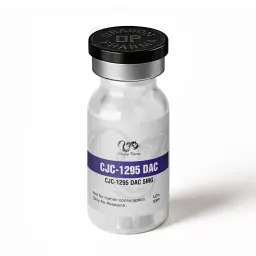
✔️ Stimulating natural growth hormone release
✔️ Supporting muscle growth and strength gains
✔️ Enhancing recovery and repair after workouts
✔️ Promoting fat metabolism and lean body composition
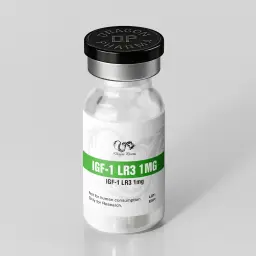
✔️ Supporting muscle growth and hypertrophy
✔️ Enhancing recovery and tissue repair
✔️ Promoting lean body composition
✔️ Improving strength and performance gains
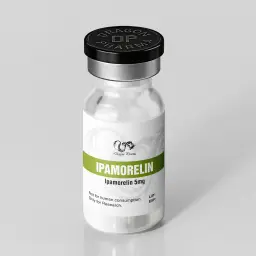
✔️ Stimulating natural growth hormone release
✔️ Supporting muscle growth and recovery
✔️ Enhancing fat metabolism and lean body composition
✔️ Promoting improved sleep and overall wellness
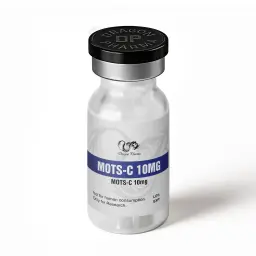
✔️ Supporting cellular energy and mitochondrial function
✔️ Enhancing metabolic rate and fat metabolism
✔️ Promoting endurance and exercise performance
✔️ Assisting in overall recovery and physical resilience

✔️ Stimulating natural growth hormone production
✔️ Supporting muscle growth and recovery
✔️ Enhancing fat metabolism and lean body composition
✔️ Promoting energy, vitality, and overall wellness
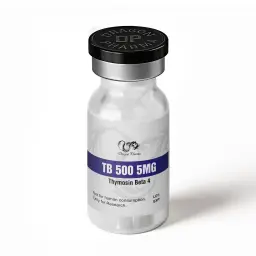
✔️ Supporting tendon, ligament, muscle recovery
✔️ Promoting wound healing and tissue repair
✔️ Reducing inflammation and injury downtime
✔️ Enhancing overall recovery and performance

✔️ Promoting rapid tendon, ligament, and muscle repair
✔️ Supporting joint and soft tissue recovery
✔️ Reducing inflammation and injury downtime
✔️ Enhancing overall healing and athletic performance
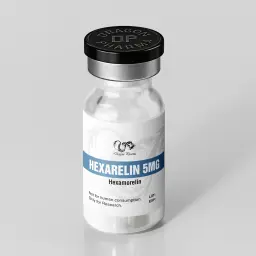
✔️ Stimulating natural growth hormone release
✔️ Supporting muscle growth and strength gains
✔️ Enhancing recovery and tissue repair
✔️ Promoting fat metabolism and lean body composition
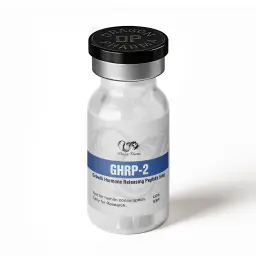
✔️ Stimulating natural growth hormone release
✔️ Supporting muscle growth and strength gains
✔️ Enhancing recovery and tissue repair
✔️ Promoting fat metabolism and lean body composition
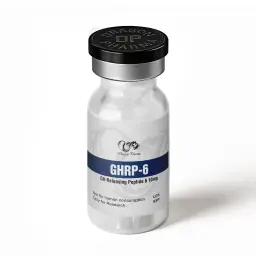
✔️ Stimulating natural growth hormone production
✔️ Supporting muscle growth and recovery
✔️ Enhancing fat metabolism and lean body composition
✔️ Promoting overall energy and vitality
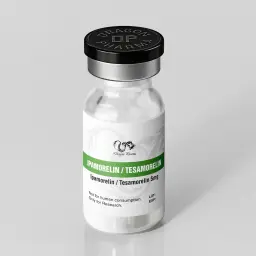
✔️ Stimulating natural growth hormone release
✔️ Supporting muscle growth and recovery
✔️ Enhancing fat metabolism and lean body composition
✔️ Promoting overall energy, vitality, and performance
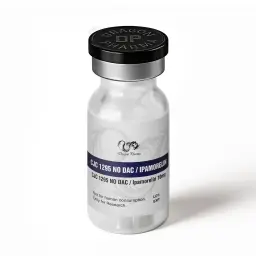
✔️ Stimulating natural growth hormone release
✔️ Supporting muscle growth and recovery
✔️ Enhancing fat metabolism and lean body composition
✔️ Promoting improved sleep and overall wellness
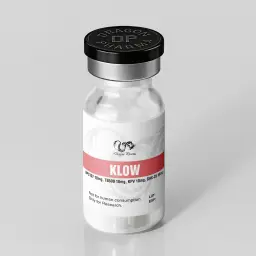
✔️ Accelerating tendon, ligament, and muscle repair
✔️ Supporting joint, tissue, and wound healing
✔️ Reducing inflammation and promoting recovery
✔️ Enhancing skin, tissue, and overall regenerative health

✔️ Promoting tendon, ligament, and muscle repair
✔️ Supporting joint and soft tissue recovery
✔️ Reducing inflammation and injury downtime
✔️ Enhancing tissue regeneration and overall healing

✔️ Enhancing endurance and stamina
✔️ Supporting cellular energy and metabolism
✔️ Promoting fat oxidation and lean body composition
✔️ Assisting in recovery and performance optimization
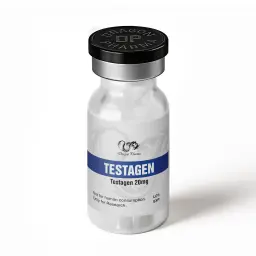
✔️ Supporting natural testosterone production
✔️ Enhancing muscle growth and strength
✔️ Promoting energy, vitality, and endurance
✔️ Assisting in overall male hormonal balance

✔️ Muscle growth and strength research
✔️ Tissue repair and recovery studies
✔️ Fat metabolism and energy regulation
✔️ Growth hormone signaling and endocrine studies
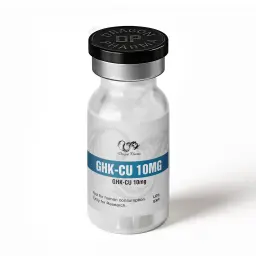
✔️ Supporting skin healing and anti-aging
✔️ Promoting tissue repair and collagen production
✔️ Enhancing wound recovery and scar reduction
✔️ Supporting hair growth and overall skin health
Musculoskeletal Research Peptides
Welcome to the Musculoskeletal Research category, a scientifically structured collection of research-grade peptides and bioactive compounds designed for the study of muscle physiology, skeletal health, connective tissue integrity, and regenerative biological processes. This category is tailored for researchers, laboratory professionals, and clinical investigators conducting preclinical research in controlled environments, aligned with EEAT and YMYL standards to ensure accuracy, credibility, and scientific reliability.
The musculoskeletal system includes muscles, bones, tendons, ligaments, and connective tissues, all of which play a critical role in movement, stability, and metabolic function. Research in this area focuses on muscle hypertrophy, tissue regeneration, collagen synthesis, and bone remodeling, which are essential for understanding both injury recovery and long-term musculoskeletal health. Foundational research can be explored via PubMed and NCBI.
Compounds such as BPC-157, TB-500 (Thymosin Beta-4), IGF-1 LR3, GHRP-6, and GHRP-2 are widely used in experimental models to study cell migration, angiogenesis, muscle protein synthesis, and extracellular matrix remodeling. These pathways are actively studied within institutions referenced by NIAMS.
IGF-1 LR3 plays a critical role in growth factor signaling and muscle adaptation, while GHRP peptides connect this category to Endocrine Research, highlighting hormonal regulation in tissue growth and repair.
Research into collagen synthesis and connective tissue remodeling is essential for understanding injury resilience and structural integrity. These processes are closely linked with Inflammation Research, where healing responses and chronic inflammation are studied.
Energy metabolism also plays a key role, making Metabolic Research highly relevant for analyzing muscle recovery and performance efficiency. Additionally, Regeneration Research expands the understanding of cellular repair and tissue regeneration.
Maintaining musculoskeletal health is essential for aging populations, which connects this category to Longevity Research. Insights from global authorities like the World Health Organization (WHO) emphasize the importance of mobility and functional longevity.
All products are strictly intended for laboratory research use only. They are not approved for human consumption or medical use. Quality standards include purity testing, analytical validation, and batch consistency, aligned with regulatory frameworks such as the FDA.
Frequently Asked Questions (FAQ)
What is the purpose of musculoskeletal research?
To study muscle growth, tissue repair, and skeletal system function in controlled research environments.
Are these compounds approved for human use?
No. They are strictly for research purposes only.
Which categories are closely related?
Metabolic Research, Endocrine Research, Inflammation Research.
Why is collagen important?
It supports tendon strength, joint stability, and injury prevention.
References
Primary Scientific Sources:
PubMed – Biomedical Literature Database
NCBI – National Center for Biotechnology Information
Google Scholar – Academic Research Index
Medical & Institutional Authorities:
NIAMS – Musculoskeletal Research Institute
NIH – National Institutes of Health
WHO – Global Health Authority
FDA – Regulatory Authority
Additional Scientific Context:
Frontiers – Peer-Reviewed Research
ScienceDirect – Scientific Publications

