


✔️ Supporting tendon, ligament, and muscle recovery
✔️ Promoting joint and soft tissue healing
✔️ Assisting in gut and digestive system repair
✔️ Enhancing recovery from injuries and training stress
International (15 Days) U.S. Domestic (7 Days)
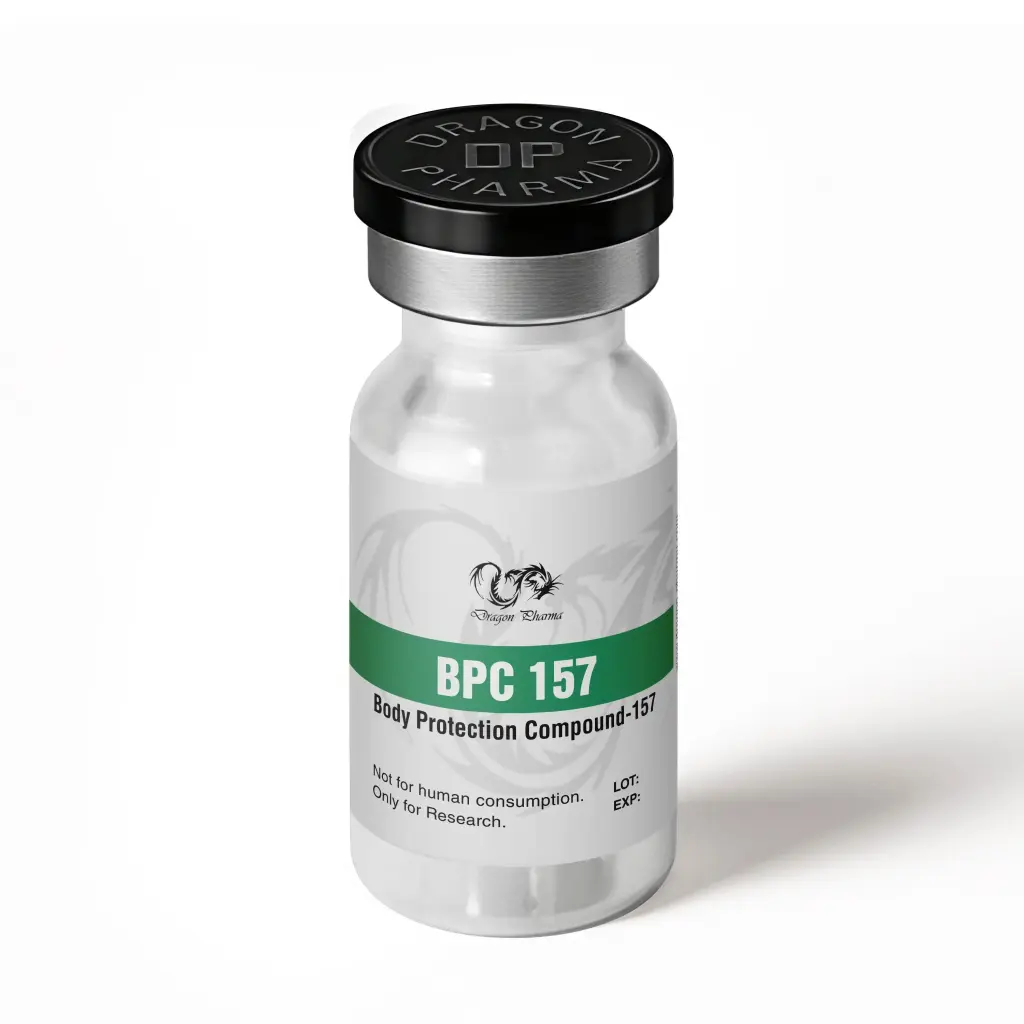
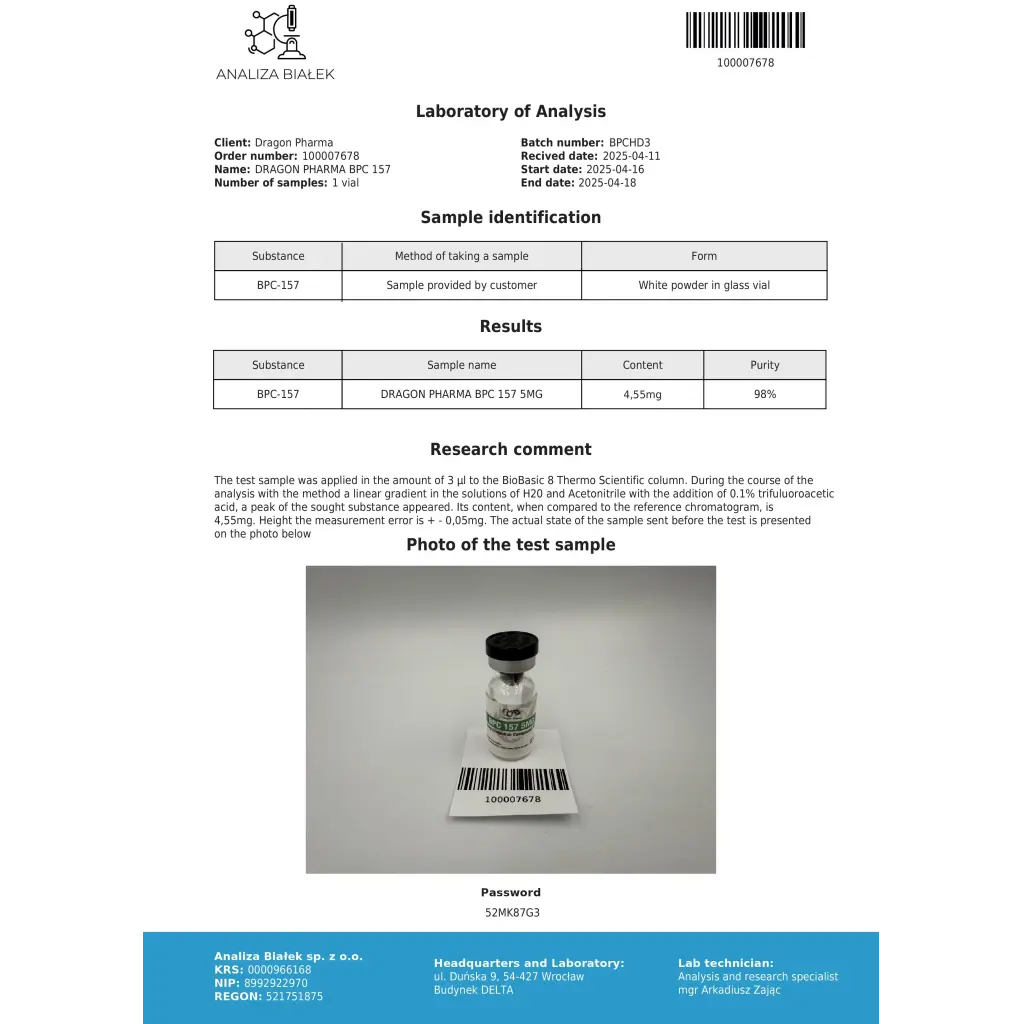
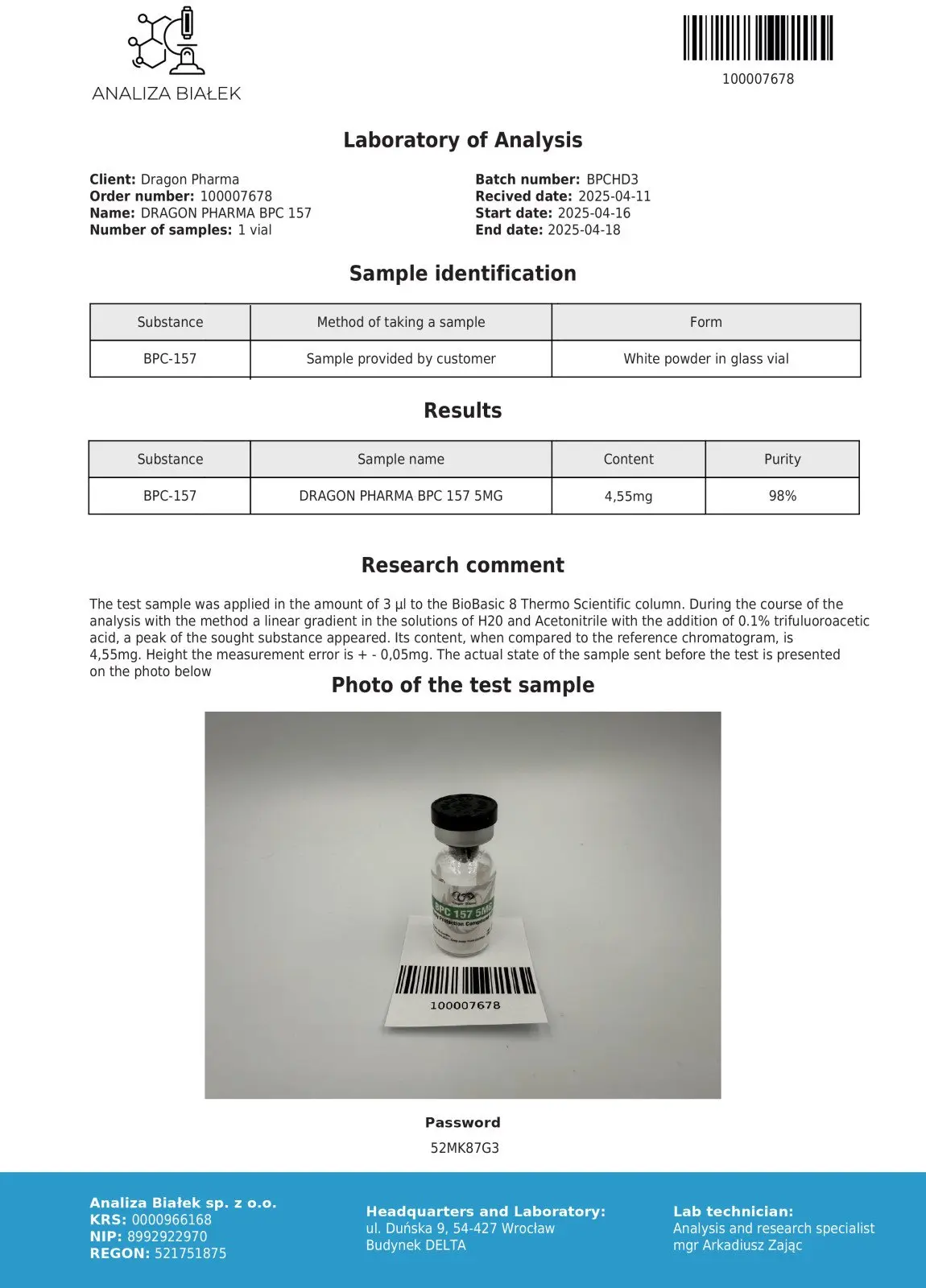
What is Dragon Pharma BPC 157?
Dragon Pharma BPC 157 is a synthetic 15-amino-acid peptide derived from a naturally occurring protective protein found in gastric juice, known as Body Protection Compound 157 (BPC 157). Supplied in a lyophilized peptide vial, it is designed for laboratory and experimental applications focusing on tissue repair, angiogenesis, and cytoprotection. BPC 157 has been extensively studied in preclinical models for its potential role in supporting the healing of tendons, ligaments, muscles, nerves, and gastrointestinal tissue. Unlike anabolic hormones, BPC 157 does not act through androgen receptors but instead influences growth factor signaling and vascular pathways involved in regeneration. Due to its stability in gastric environments and broad cytoprotective properties, it has become a prominent compound in regenerative medicine research. However, it remains an investigational peptide without widespread regulatory approval for therapeutic use.
Mechanism of Action:
BPC 157 exerts its effects by modulating multiple biological pathways associated with angiogenesis, collagen synthesis, and cellular migration. It has been shown to interact with vascular endothelial growth factor (VEGF) signaling, promoting the formation of new blood vessels and enhancing nutrient delivery to damaged tissues. Additionally, BPC 157 supports the upregulation of genes involved in fibroblast activity and extracellular matrix remodeling, which are critical for tendon and ligament repair. The peptide also demonstrates anti-inflammatory and cytoprotective properties by influencing nitric oxide pathways and reducing oxidative stress markers. Unlike systemic growth factors, BPC 157 does not significantly alter hormone levels but instead works locally at injury sites to accelerate healing processes. Its multi-target mechanism makes it a versatile compound in musculoskeletal and gastrointestinal research models.
Benefits:
Research Applications:
Dosing Instructions:
Stacking With Other Products:
Side Effects:
Contraindications:
Conclusion
Dragon Pharma BPC 157 is a research-focused regenerative peptide widely studied for its effects on tissue healing, angiogenesis, and cytoprotection. By modulating growth factor signaling and promoting collagen synthesis, it demonstrates significant potential in musculoskeletal and gastrointestinal recovery models. Unlike anabolic hormones, BPC 157 does not interfere with the endocrine system, making it distinct in its localized and targeted mechanism of action. While preclinical data are promising, comprehensive human clinical trials remain limited, and regulatory approval varies by jurisdiction. As with all research peptides, strict sterile preparation, accurate dosing, and responsible experimental design are essential to ensure valid and safe investigative outcomes.
References:
✔️ What is BPC 157?
BPC 157 is a synthetic peptide derived from a naturally occurring protein in the stomach, widely studied for its tissue repair, tendon, and joint support properties.
✔️ How does BPC 157 work?
It promotes healing by stimulating angiogenesis (formation of new blood vessels) and enhancing tissue regeneration, supporting injury recovery and inflammation reduction.
✔️ What are the main benefits of BPC 157?
Users often report faster recovery from injuries, reduced joint and tendon pain, improved gut health, and overall enhanced tissue repair.
✔️ How should BPC 157 be stored?
Store the vial refrigerated at 2–8°C, keep it protected from light, and ensure the cap remains tightly sealed to maintain potency and shelf life.
✔️ How is BPC 157 administered?
It is typically reconstituted with bacteriostatic water and administered via subcutaneous or intramuscular injection, using sterile techniques for safety.
✔️ Are there any side effects of BPC 157?
When used responsibly, BPC 157 is generally well-tolerated. Some may experience minor injection site reactions, but serious side effects are rare.
✔️ Can BPC 157 be combined with other peptides?
Yes, it is often stacked with regenerative or recovery-support peptides to enhance healing and tissue repair, but guidance from a health professional is recommended.
✔️ Is BPC 157 legal and safe?
BPC 157 is legal as a research peptide in many regions, but local regulations may vary. Always purchase from trusted suppliers like Dragon Pharma Peptides and follow professional advice.
Maintaining proper storage and ensuring safety is essential for the potency, purity, and effectiveness of Dragon Pharma BPC 157. Follow these guidelines to preserve the integrity of each vial:
Please log in to write BPC 157 (5mg) review.
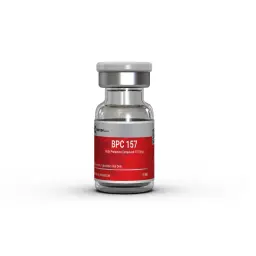
✔️ Soft tissue support studies
✔️ Injury recovery research
✔️ Joint mobility support
✔️ Performance recovery aid
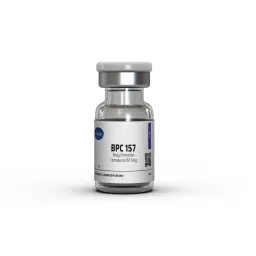
✔️ Recovery and repair research
✔️ Joint health support studies
✔️ Muscle recovery research
✔️ Tissue regeneration studies
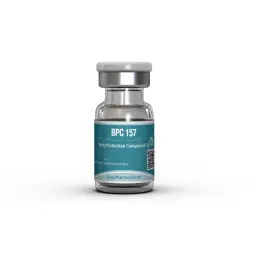
✔️ Tissue repair research
✔️ Gastrointestinal healing models
✔️ Angiogenesis pathway studies
✔️ Inflammation modulation research
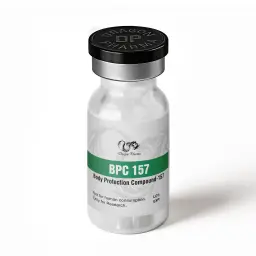
✔️ Supporting tendon, ligament, and muscle recovery
✔️ Promoting joint and soft tissue healing
✔️ Assisting in gut and digestive system repair
✔️ Enhancing recovery from injuries and training stress
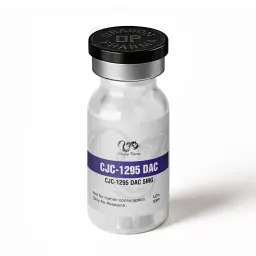
✔️ Stimulating natural growth hormone release
✔️ Supporting muscle growth and strength gains
✔️ Enhancing recovery and repair after workouts
✔️ Promoting fat metabolism and lean body composition
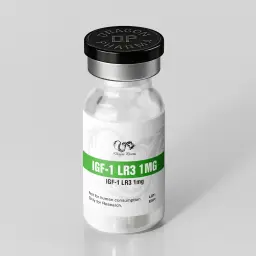
✔️ Supporting muscle growth and hypertrophy
✔️ Enhancing recovery and tissue repair
✔️ Promoting lean body composition
✔️ Improving strength and performance gains
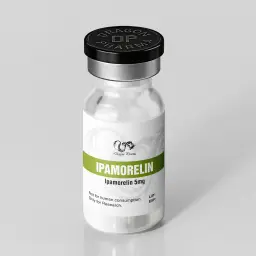
✔️ Stimulating natural growth hormone release
✔️ Supporting muscle growth and recovery
✔️ Enhancing fat metabolism and lean body composition
✔️ Promoting improved sleep and overall wellness
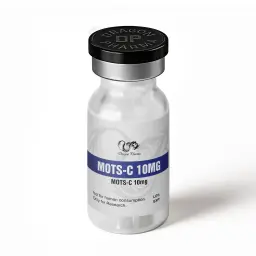
✔️ Supporting cellular energy and mitochondrial function
✔️ Enhancing metabolic rate and fat metabolism
✔️ Promoting endurance and exercise performance
✔️ Assisting in overall recovery and physical resilience
August 17, 2026
BPC 157 exceeded my expectations. I wasn't looking for a miracle product, but I wanted something that could support recovery from years of heavy lifting. After about six weeks, I noticed better joint comfort, smoother workouts, and less downtime between training sessions. The biggest benefit for me was being able to stay consistent with my fitness routine. I would definitely consider using it again as part of a comprehensive recovery strategy.