



✔️ Somatropin pathway research
✔️ Growth hormone deficiency models
✔️ Metabolic and tissue growth studies
✔️ Protein synthesis regulation research

✔️ Growth hormone release studies
✔️ Pituitary GHRH receptor research
✔️ Endocrine signaling models
✔️ Metabolic regulation research

✔️ Tissue regeneration studies
✔️ Cell migration research
✔️ Angiogenesis pathway models
✔️ Inflammation response research

✔️ Growth hormone secretion studies
✔️ Pituitary receptor research
✔️ Metabolic regulation models
✔️ Body composition research

✔️ Skin repair research
✔️ Collagen synthesis studies
✔️ Wound healing models
✔️ Anti-aging peptide research
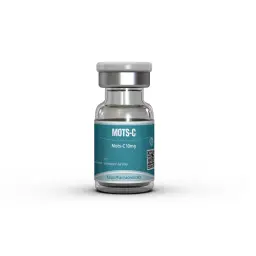
✔️ Mitochondrial function research
✔️ Cellular energy metabolism studies
✔️ Insulin sensitivity models
✔️ Metabolic stress response research

✔️ Growth hormone axis research
✔️ Visceral adipose metabolism studies
✔️ Lipid regulation models
✔️ Endocrine signaling research

✔️ Tissue repair research
✔️ Gastrointestinal healing models
✔️ Angiogenesis pathway studies
✔️ Inflammation modulation research

✔️ Sterile dilution research solvent
✔️ Peptide reconstitution medium
✔️ Laboratory injection preparation
✔️ Aseptic formulation handling studies
Kalpa Pharmaceuticals Peptides
Introduction and Overview
Kalpa Pharmaceuticals peptides refer to a range of peptide-based and hormone-related research compounds associated with a pharmaceutical manufacturer operating in the grey-area research chemical and international generics market. Within scientific contexts, these products are generally discussed as part of broader peptide research systems used in laboratory and preclinical studies to investigate signaling pathways, receptor interactions, and endocrine regulation.
The company is commonly described in publicly available material as a manufacturer of hormone-related and metabolic compounds, including recombinant proteins and peptide formulations used in experimental or non-clinical contexts. In biomedical terminology, peptides are short chains of amino acids that function as cell signaling mediators, allowing researchers to study intracellular communication, gene expression, and receptor activity under controlled conditions.
All compounds discussed under this category are strictly classified as for research purposes only and are not approved for human consumption, medical treatment, or diagnostic use by regulatory authorities.
Biological Relevance
Peptide-Based Signaling and Endocrine Interaction
Many Kalpa-associated compounds referenced in research contexts involve endocrine-active molecules such as growth hormone analogs and regulatory peptides. For example, recombinant growth hormone systems like somatropin are studied for their interaction with the growth hormone receptor (GHR) and downstream signaling pathways including JAK2/STAT5, MAPK/ERK, and PI3K/Akt. These pathways regulate gene transcription, protein synthesis, and cellular metabolism in experimental models.
An example of such a compound described in publicly available product documentation is recombinant human growth hormone formulations such as "Kalpatropin," which is presented as a somatropin-based system used in controlled research contexts to examine growth-related signaling pathways. :contentReference[oaicite:0]{index=0}
Metabolic Regulation and Cellular Energy Systems
Research involving peptide and hormone analogs frequently focuses on metabolic regulation. Key pathways include AMPK (energy sensing), mTOR (protein synthesis and cellular growth), and insulin-mediated glucose uptake mechanisms. These pathways are central to understanding how endocrine signals influence systemic energy balance and cellular adaptation.
Tissue-Level and Cellular Modeling
In laboratory systems, peptide-based compounds are used to evaluate cellular responses in muscle, connective tissue, and epithelial models. These studies often involve fibroblast activity, extracellular matrix remodeling, and angiogenic signaling pathways. The objective is to map molecular interactions rather than establish clinical outcomes.
Key Compound Types in Kalpa-Associated Research Contexts
Recombinant Hormone Analog Systems
This category includes synthetic or recombinant proteins such as growth hormone analogs. These compounds are studied for receptor binding affinity, pulsatile signaling behavior, and downstream metabolic effects in controlled experimental environments.
Peptide-Based Regulatory Molecules
These peptides are used to examine endocrine feedback loops, intracellular signaling cascades, and receptor modulation. Research typically focuses on hormone-like signaling behavior in vitro and in vivo models.
Bioactive Research Peptides
Certain peptides associated with this category are studied for their role in cellular communication, tissue signaling, and molecular repair mechanisms. These include systems investigated in inflammation, regeneration, and metabolic studies.
Multi-Compound Experimental Formulations
Some Kalpa-related products are described as combination systems designed for broader pathway interaction studies. These blends are used to observe overlapping biochemical responses in multi-signaling environments.
Internal and External Research Connections
Kalpa-associated peptide research intersects with multiple biomedical disciplines. In endocrine research, these compounds are used to study hormonal feedback loops and receptor signaling. In metabolic research, they are used to evaluate energy regulation and glucose metabolism pathways.
Additional overlap exists with musculoskeletal research, where growth-related signaling pathways are studied in muscle and connective tissue models, and regeneration research, which focuses on tissue remodeling and cellular repair mechanisms. Longevity research explores long-term cellular signaling adaptation, while inflammation research examines immune-related signaling pathways.
For scientific validation, researchers rely on peer-reviewed databases such as PubMed, the NCBI molecular biology resources, and institutional guidance from the National Institutes of Health. Regulatory frameworks and safety considerations are referenced through agencies such as the FDA and the World Health Organization.
Compliance and Disclaimer
All compounds referenced under Kalpa Pharmaceuticals peptides are strictly intended for laboratory and preclinical research purposes only. They are not approved for human consumption, clinical use, or therapeutic application.
Handling of these materials must comply with institutional biosafety protocols, ethical research standards, and applicable legal regulations. All experimental work must be conducted in controlled laboratory environments by qualified personnel.
Frequently Asked Questions
What are Kalpa Pharmaceuticals peptides?
They are peptide and hormone-related research compounds associated with laboratory and preclinical studies of endocrine and metabolic signaling pathways.
Are these compounds approved for medical use?
No. All compounds are strictly for research purposes only and are not approved for human or veterinary applications.
What is typically studied with these peptides?
Research focuses on hormone receptor signaling, metabolic regulation, cellular growth pathways, and tissue-level molecular interactions.
Which scientific fields are related?
Relevant fields include endocrine research, metabolic research, musculoskeletal research, and regeneration research.
Where can reliable scientific information be found?
Credible sources include PubMed, NCBI, and publications from the NIH.
References
PubMed – Growth Hormone and JAK/STAT Signaling
NCBI – Endocrine and Hormone Receptor Biology
NCBI – Cellular Signaling Pathways in Metabolism
NIH – Biomedical and Molecular Research Programs
FDA – Regulatory Guidance for Research Compounds
WHO – Laboratory Safety and Research Standards

