


Includes peptides and molecules with potential impact on cardiovascular function and vascular health. Information is presented with a focus on scientific research, not medical treatment claims.
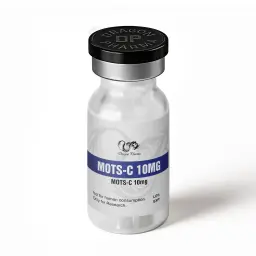
✔️ Supporting cellular energy and mitochondrial function
✔️ Enhancing metabolic rate and fat metabolism
✔️ Promoting endurance and exercise performance
✔️ Assisting in overall recovery and physical resilience
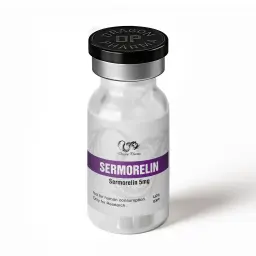
✔️ Stimulating natural growth hormone production
✔️ Supporting muscle growth and recovery
✔️ Enhancing fat metabolism and lean body composition
✔️ Promoting energy, vitality, and overall wellness
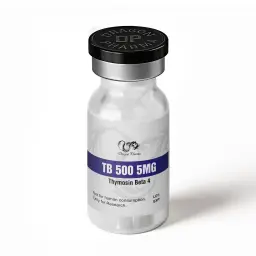
✔️ Supporting tendon, ligament, muscle recovery
✔️ Promoting wound healing and tissue repair
✔️ Reducing inflammation and injury downtime
✔️ Enhancing overall recovery and performance
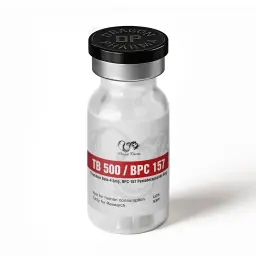
✔️ Promoting rapid tendon, ligament, and muscle repair
✔️ Supporting joint and soft tissue recovery
✔️ Reducing inflammation and injury downtime
✔️ Enhancing overall healing and athletic performance
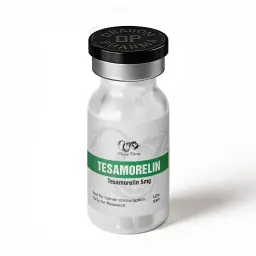
✔️ Stimulating natural growth hormone release
✔️ Supporting fat metabolism and body composition
✔️ Enhancing muscle recovery and repair
✔️ Promoting overall energy, vitality, and wellness
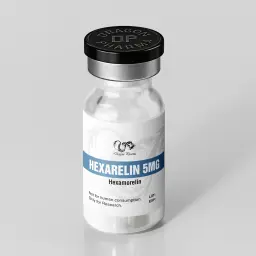
✔️ Stimulating natural growth hormone release
✔️ Supporting muscle growth and strength gains
✔️ Enhancing recovery and tissue repair
✔️ Promoting fat metabolism and lean body composition
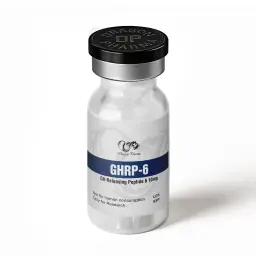
✔️ Stimulating natural growth hormone production
✔️ Supporting muscle growth and recovery
✔️ Enhancing fat metabolism and lean body composition
✔️ Promoting overall energy and vitality
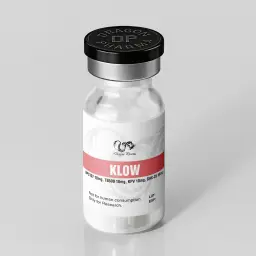
✔️ Accelerating tendon, ligament, and muscle repair
✔️ Supporting joint, tissue, and wound healing
✔️ Reducing inflammation and promoting recovery
✔️ Enhancing skin, tissue, and overall regenerative health

✔️ Promoting tendon, ligament, and muscle repair
✔️ Supporting joint and soft tissue recovery
✔️ Reducing inflammation and injury downtime
✔️ Enhancing tissue regeneration and overall healing
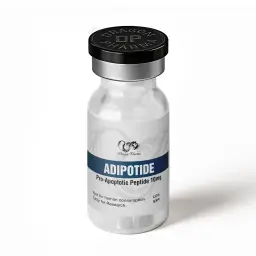
✔️ Promoting targeted fat loss and reduction of adipose tissue
✔️ Supporting metabolism and body composition improvement
✔️ Enhancing weight management and fat burning
✔️ Assisting in overall energy and metabolic efficiency
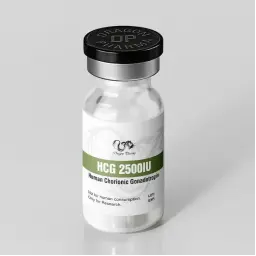
✔️ Restoring natural testosterone production
✔️ Supporting testicular health after cycles
✔️ Enhancing post-cycle recovery and strength
✔️ Maintaining hormonal balance
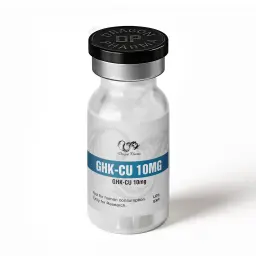
✔️ Supporting skin healing and anti-aging
✔️ Promoting tissue repair and collagen production
✔️ Enhancing wound recovery and scar reduction
✔️ Supporting hair growth and overall skin health

✔️ Supporting mitochondrial function and energy production
✔️ Reducing oxidative stress and cellular damage
✔️ Enhancing recovery and endurance
✔️ Promoting overall cellular health and performance
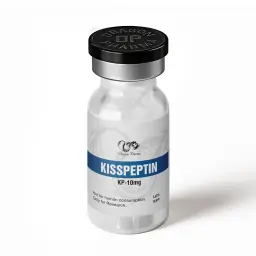
✔️ Stimulating natural hormone release (GnRH)
✔️ Supporting reproductive health and fertility
✔️ Enhancing libido and sexual function
✔️ Promoting overall endocrine balance
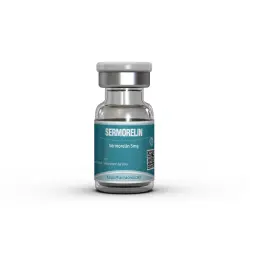
✔️ Growth hormone release studies
✔️ Pituitary GHRH receptor research
✔️ Endocrine signaling models
✔️ Metabolic regulation research

✔️ Tissue regeneration studies
✔️ Cell migration research
✔️ Angiogenesis pathway models
✔️ Inflammation response research
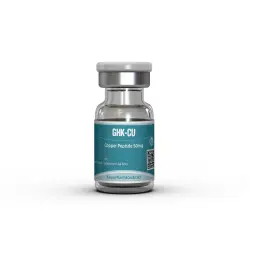
✔️ Skin repair research
✔️ Collagen synthesis studies
✔️ Wound healing models
✔️ Anti-aging peptide research
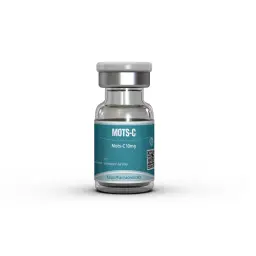
✔️ Mitochondrial function research
✔️ Cellular energy metabolism studies
✔️ Insulin sensitivity models
✔️ Metabolic stress response research

✔️ Growth hormone axis research
✔️ Visceral adipose metabolism studies
✔️ Lipid regulation models
✔️ Endocrine signaling research

✔️ Growth hormone research
✔️ Recovery support studies
✔️ Lean muscle development
✔️ Healthy aging research
Cardiovascular Research Peptides
Introduction
The category of cardiovascular research peptides includes synthetic and naturally derived amino acid sequences studied in laboratory and preclinical settings to investigate cardiac and vascular physiology, molecular signaling, and tissue-level regulation of the circulatory system. These peptides are primarily used in in vitro cardiomyocyte and endothelial cell cultures, organotypic heart or vascular tissue models, and controlled animal studies. They provide mechanistic insight into cardiovascular function without implying therapeutic or clinical application. All compounds are strictly for research purposes only and are not approved for human or veterinary use.
Cardiovascular research integrates molecular biology, biochemistry, and physiology to examine signaling pathways, receptor interactions, and cellular processes that regulate myocardial function, vascular tone, and endothelial homeostasis. Peptides in this context serve as experimental tools to investigate intracellular cascades, paracrine signaling, and tissue adaptation mechanisms under controlled experimental conditions.
Biological Relevance and Mechanistic Context
Cardiac Signaling and Contractility
Cardiovascular research peptides are frequently employed to explore molecular pathways involved in cardiomyocyte contraction, calcium handling, and electrophysiological regulation. Experimental studies investigate peptide interactions with receptors and ion channels that influence intracellular second messengers, such as cyclic AMP (cAMP) and calcium-dependent signaling, providing mechanistic insights into myocardial function at the cellular level.
Vascular Function and Endothelial Signaling
Peptides are studied for their effects on vascular endothelial cells, smooth muscle cells, and extracellular matrix regulation. Laboratory models examine signaling pathways including nitric oxide synthase (NOS) modulation, MAPK/ERK signaling, and PI3K/Akt-mediated endothelial responses. These investigations clarify molecular processes that regulate vascular tone, barrier integrity, and paracrine signaling without suggesting clinical efficacy.
Inflammatory and Stress Response Pathways
Cardiovascular peptides are also examined for their interaction with inflammatory and stress response mechanisms, including oxidative stress pathways, cytokine-mediated signaling, and apoptotic regulation. Preclinical studies provide insight into tissue-level adaptation, remodeling, and molecular resilience under experimental conditions.
Key Compound Classes in Cardiovascular Research
Cardiomyocyte-Modulatory Peptides
These peptides are investigated for their effects on myocardial cells, including intracellular signaling, contractility, and electrophysiological dynamics. Laboratory studies examine receptor interactions, second messenger modulation, and calcium handling under controlled experimental conditions.
Endothelial and Vascular Peptides
Peptides targeting endothelial cells and smooth muscle are used to study mechanisms of vascular tone, permeability, and extracellular matrix remodeling. Experimental models focus on nitric oxide regulation, angiogenic signaling, and paracrine interactions within vascular tissue.
Inflammation and Stress-Response Peptides
Certain peptides are examined for their role in modulating oxidative stress, inflammatory pathways, and apoptotic signaling in cardiac and vascular tissues. Laboratory research explores tissue-level adaptation and molecular resilience in preclinical cardiovascular models.
Metabolic and Energetic Regulatory Peptides
A subset of cardiovascular research peptides is studied for their influence on cellular energy utilization, mitochondrial function, and metabolic signaling within cardiac and vascular tissues. These studies provide mechanistic understanding of bioenergetic regulation under controlled laboratory conditions.
Cross-Category Research Integration
Cardiovascular research peptides intersect with multiple biomedical research domains. For instance, inflammation research explores immune-mediated modulation of vascular and cardiac tissue, while metabolic research investigates bioenergetic and nutrient-sensing pathways in cardiomyocytes. Regeneration research examines repair and remodeling mechanisms, and endocrine research studies hormone-mediated cardiovascular regulation. Additionally, immune-support research evaluates systemic and local cytokine interactions in circulatory tissues.
Research Compliance and Ethical Considerations
All cardiovascular research peptides are strictly for laboratory and preclinical research purposes only. They are not approved for clinical, therapeutic, or diagnostic use by regulatory authorities, including the U.S. Food and Drug Administration. Researchers must adhere to institutional biosafety protocols, ethical guidelines, and controlled experimental conditions when handling unapproved compounds.
Compliance with guidance from authoritative organizations, such as the National Institutes of Health and the World Health Organization, ensures scientific integrity, reproducibility, and safety in cardiovascular peptide research.
Frequently Asked Questions
What are cardiovascular research peptides?
Cardiovascular research peptides are short amino acid sequences used in laboratory studies to investigate molecular signaling, myocardial and vascular function, and tissue-level regulation in the circulatory system. They are not intended for therapeutic or clinical use.
Are these compounds approved for human use?
No. All cardiovascular research peptides are strictly for research purposes only and are not approved for clinical or veterinary applications.
What types of studies employ these peptides?
These compounds are commonly used in cell culture experiments, organotypic cardiac and vascular tissue models, and preclinical studies to examine signaling pathways, contractility, endothelial function, and stress response mechanisms.
How do cardiovascular peptides relate to other research areas?
They intersect with inflammation research, metabolic research, regeneration research, and endocrine research due to shared signaling pathways, tissue remodeling, and stress adaptation mechanisms.
Where can researchers find additional scientific literature?
Authoritative research articles and data on cardiovascular research peptides are accessible through resources such as PubMed and the National Center for Biotechnology Information.
References
PubMed – Biomedical Literature Database
NCBI – National Center for Biotechnology Information
WHO – World Health Organization

