


Covers peptides and hormones associated with reproductive health, fertility, and hormonal balance. Information emphasizes scientific understanding while remaining compliant with regulatory guidance.

✔️ Supporting cellular health and longevity
✔️ Promoting improved sleep quality and circadian rhythm
✔️ Assisting in recovery and overall wellness
✔️ Supporting resilience under physical and mental stress

✔️ Enhancing sexual desire and libido
✔️ Supporting sexual function in men and women
✔️ Promoting arousal and intimate wellness
✔️ Boosting confidence during sexual activity

✔️ Promoting natural tanning and skin pigmentation
✔️ Enhancing protection against UV damage
✔️ Supporting appetite regulation and metabolism
✔️ Boosting sexual function and libido

✔️ Supporting female fertility and reproductive health
✔️ Promoting hormonal balance and ovulation
✔️ Enhancing overall endocrine system function
✔️ Assisting in conception and reproductive planning
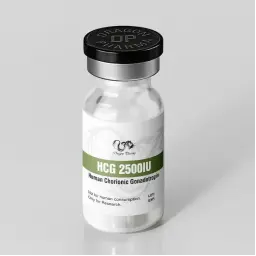
✔️ Restoring natural testosterone production
✔️ Supporting testicular health after cycles
✔️ Enhancing post-cycle recovery and strength
✔️ Maintaining hormonal balance
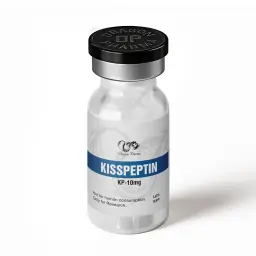
✔️ Stimulating natural hormone release (GnRH)
✔️ Supporting reproductive health and fertility
✔️ Enhancing libido and sexual function
✔️ Promoting overall endocrine balance
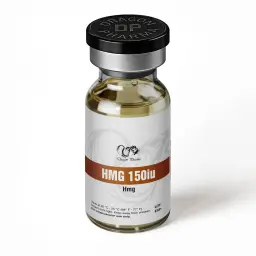
✔️ Boosting natural testosterone
✔️ Supporting testicular function
✔️ Enhancing post-cycle recovery
✔️ Maintaining hormone balance
Reproductive Research Peptides
Introduction and Overview
The domain of reproductive research peptides encompasses a specialized group of bioactive molecules studied within laboratory and preclinical environments to better understand the molecular regulation of reproductive systems. These peptides are investigated for their role in signaling cascades that influence cellular communication, endocrine coordination, and tissue-specific biological processes associated with reproductive physiology.
Within controlled research settings, these compounds serve as analytical tools for examining complex interactions between hormones, receptors, and intracellular pathways. It is essential to emphasize that all peptides in this category are strictly for research purposes only and are not approved for human consumption, diagnostic use, or clinical application.
Biological Relevance
Endocrine Coordination and Hormonal Signaling
Reproductive function is governed by a tightly regulated network of endocrine signals, particularly involving the hypothalamic–pituitary–gonadal (HPG) axis. Research peptides are utilized to explore how signaling molecules such as gonadotropin-releasing hormone (GnRH) influence downstream pathways involving luteinizing hormone (LH) and follicle-stimulating hormone (FSH). These pathways are essential for understanding regulatory feedback loops in experimental models.
Cellular Differentiation and Gametogenesis
In reproductive biology, the processes of gametogenesis and cellular differentiation are central to tissue development and function. Laboratory studies employ peptides to investigate intracellular signaling mechanisms that regulate germ cell maturation, meiotic progression, and cellular communication within reproductive tissues.
Receptor Binding and Signal Transduction
Peptides in this category are often studied for their interaction with specific receptors, including G protein-coupled receptors (GPCRs) and nuclear hormone receptors. These interactions trigger signal transduction pathways such as cAMP, MAPK, and calcium-mediated signaling, which are critical for understanding cellular responses in reproductive systems under experimental conditions.
Key Peptide Classes in Reproductive Research
Hypothalamic Signaling Peptides
These peptides are used to investigate upstream regulatory mechanisms that control endocrine signaling within the HPG axis. Their role in laboratory research includes studying pulsatile hormone release and feedback regulation.
Gonadal Function Peptides
This class focuses on peptides that interact with ovarian and testicular tissues in experimental models. Research applications include studying steroidogenesis, cellular signaling within gonadal structures, and receptor-mediated pathways.
Cellular Communication Peptides
Peptides in this group are used to analyze intercellular signaling within reproductive tissues, including paracrine and autocrine communication. These studies help clarify molecular interactions that govern tissue organization and function.
Internal and External Research Connections
Reproductive research peptides are closely linked to multiple scientific disciplines. For example, endocrine research provides foundational insight into hormonal regulation and feedback systems, while metabolic research explores energy balance and its influence on reproductive signaling pathways.
Connections also extend to neurocognitive research, particularly in the study of hypothalamic signaling, and inflammation research, where immune signaling may intersect with reproductive tissue responses. Additionally, longevity research examines age-related changes in reproductive systems, and cardiovascular research investigates vascular components that support reproductive tissue function.
Experimental studies rely on standardized reagents and validated materials available through laboratory research supplies to ensure consistency and reproducibility in research outcomes. Researchers frequently consult databases such as PubMed, the NCBI platform, and the National Institutes of Health for peer-reviewed literature on reproductive biology and molecular signaling.
Compliance and Disclaimer
All compounds within the reproductive research peptides category are intended strictly for laboratory and preclinical use only. They are not approved by regulatory authorities such as the U.S. Food and Drug Administration for human or veterinary use.
Researchers must adhere to institutional guidelines, biosafety protocols, and ethical standards when working with these compounds. International organizations such as the World Health Organization provide frameworks for responsible research practices and laboratory safety.
Frequently Asked Questions
What is the purpose of reproductive research peptides?
They are used in controlled laboratory studies to investigate molecular signaling pathways, endocrine regulation, and cellular processes associated with reproductive biology.
Are these peptides suitable for clinical or human use?
No. These compounds are strictly for research purposes only and are not approved for diagnostic, therapeutic, or human application.
Which biological systems are commonly studied?
Research focuses on the hypothalamic–pituitary–gonadal axis, gonadal tissues, and cellular signaling pathways involved in hormone regulation and reproductive function.
How does reproductive research connect with other scientific fields?
It intersects with endocrine research, metabolic research, neurocognitive research, and longevity research through shared regulatory mechanisms and signaling pathways.
Where can researchers find credible scientific information?
Authoritative sources include PubMed, the NCBI database, and resources from the National Institutes of Health.
References
PubMed – Reproductive Biology and Peptide Signaling
NCBI – Endocrine Control of Reproduction
WHO – Reproductive Health and Research Overview
NCBI – Physiology of the Reproductive System

