


Curated peptides and compounds linked to cellular health, anti-aging, and overall longevity. Offers evidence-informed perspectives for healthy aging and vitality.

✔️ Stimulating natural growth hormone release
✔️ Supporting muscle growth and strength gains
✔️ Enhancing recovery and repair after workouts
✔️ Promoting fat metabolism and lean body composition

✔️ Supporting cellular health and longevity
✔️ Promoting improved sleep quality and circadian rhythm
✔️ Assisting in recovery and overall wellness
✔️ Supporting resilience under physical and mental stress
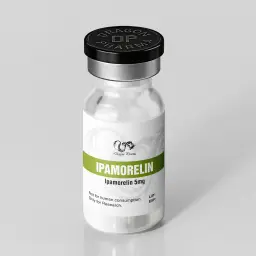
✔️ Stimulating natural growth hormone release
✔️ Supporting muscle growth and recovery
✔️ Enhancing fat metabolism and lean body composition
✔️ Promoting improved sleep and overall wellness
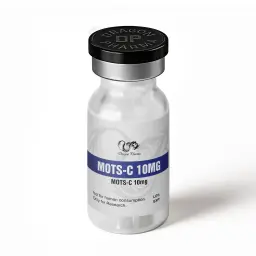
✔️ Supporting cellular energy and mitochondrial function
✔️ Enhancing metabolic rate and fat metabolism
✔️ Promoting endurance and exercise performance
✔️ Assisting in overall recovery and physical resilience

✔️ Stimulating natural growth hormone production
✔️ Supporting muscle growth and recovery
✔️ Enhancing fat metabolism and lean body composition
✔️ Promoting energy, vitality, and overall wellness

✔️ Promoting rapid tendon, ligament, and muscle repair
✔️ Supporting joint and soft tissue recovery
✔️ Reducing inflammation and injury downtime
✔️ Enhancing overall healing and athletic performance

✔️ Stimulating natural growth hormone release
✔️ Supporting fat metabolism and body composition
✔️ Enhancing muscle recovery and repair
✔️ Promoting overall energy, vitality, and wellness

✔️ Stimulating natural growth hormone release
✔️ Supporting muscle growth and strength gains
✔️ Enhancing recovery and tissue repair
✔️ Promoting fat metabolism and lean body composition
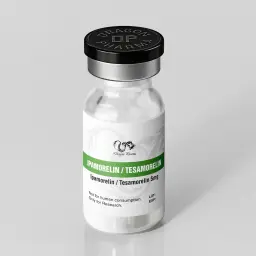
✔️ Stimulating natural growth hormone release
✔️ Supporting muscle growth and recovery
✔️ Enhancing fat metabolism and lean body composition
✔️ Promoting overall energy, vitality, and performance

✔️ Stimulating natural growth hormone release
✔️ Supporting muscle growth and recovery
✔️ Enhancing fat metabolism and lean body composition
✔️ Promoting improved sleep and overall wellness
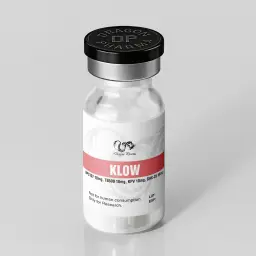
✔️ Accelerating tendon, ligament, and muscle repair
✔️ Supporting joint, tissue, and wound healing
✔️ Reducing inflammation and promoting recovery
✔️ Enhancing skin, tissue, and overall regenerative health

✔️ Promoting tendon, ligament, and muscle repair
✔️ Supporting joint and soft tissue recovery
✔️ Reducing inflammation and injury downtime
✔️ Enhancing tissue regeneration and overall healing

✔️ Supporting immune system function
✔️ Enhancing recovery from illness or infection
✔️ Promoting overall cellular repair and regeneration
✔️ Assisting in anti-inflammatory and immune balance

✔️ Supporting skin healing and anti-aging
✔️ Promoting tissue repair and collagen production
✔️ Enhancing wound recovery and scar reduction
✔️ Supporting hair growth and overall skin health
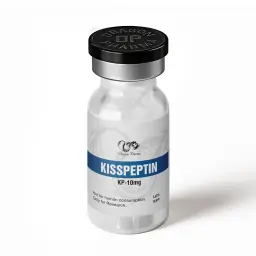
✔️ Stimulating natural hormone release (GnRH)
✔️ Supporting reproductive health and fertility
✔️ Enhancing libido and sexual function
✔️ Promoting overall endocrine balance

✔️ Growth hormone release studies
✔️ Pituitary GHRH receptor research
✔️ Endocrine signaling models
✔️ Metabolic regulation research
✔️ Growth hormone secretion studies
✔️ Pituitary receptor research
✔️ Metabolic regulation models
✔️ Body composition research

✔️ Skin repair research
✔️ Collagen synthesis studies
✔️ Wound healing models
✔️ Anti-aging peptide research
✔️ Mitochondrial function research
✔️ Cellular energy metabolism studies
✔️ Insulin sensitivity models
✔️ Metabolic stress response research

✔️ Growth hormone axis research
✔️ Visceral adipose metabolism studies
✔️ Lipid regulation models
✔️ Endocrine signaling research
Longevity Research Peptides
Introduction and Overview
The field of longevity research peptides focuses on the study of biologically active amino acid sequences utilized in laboratory and preclinical research to investigate mechanisms associated with cellular maintenance, molecular stability, and long-term physiological regulation. These peptides are examined in controlled experimental environments to better understand complex biological processes related to cellular aging, metabolic adaptation, and stress-response systems.
All compounds within this category are strictly for research purposes only and are not approved for human consumption, clinical application, or therapeutic use. Their primary function is to serve as investigative tools in molecular biology, enabling researchers to explore pathways such as protein turnover, mitochondrial function, and intracellular signaling networks.
Biological Relevance
Cellular Senescence and Molecular Regulation
A central focus of longevity research involves the study of cellular senescence, a state characterized by altered gene expression, reduced proliferative capacity, and changes in intracellular signaling. Research peptides are used to examine regulatory pathways such as p53/p21, FOXO transcription factors, and sirtuin-mediated signaling. These pathways play a role in maintaining genomic integrity, protein stability, and cellular homeostasis in experimental models.
Mitochondrial Dynamics and Energy Homeostasis
Mitochondrial function is a critical component of longevity-related research. Peptides are investigated for their role in modulating mitochondrial biogenesis, oxidative phosphorylation efficiency, and reactive oxygen species (ROS) signaling. Laboratory studies explore how alterations in AMPK and mTOR pathways influence cellular energy balance and metabolic adaptation under controlled conditions.
Proteostasis and Autophagic Mechanisms
Protein homeostasis, or proteostasis, is essential for maintaining cellular function over time. Research peptides are utilized to study autophagy, lysosomal degradation, and ubiquitin-proteasome pathways. These mechanisms are central to understanding how cells manage protein turnover and respond to molecular stress in preclinical research systems.
Key Peptide Classes in Longevity Research
Metabolic Regulatory Peptides
These peptides are used in experimental settings to investigate intracellular signaling pathways that regulate energy utilization and metabolic adaptation. Their application is closely aligned with metabolic research, where signaling networks such as AMPK and mTOR are studied in detail.
Stress-Response and Mitochondrial Peptides
Peptides in this category are examined for their involvement in oxidative stress regulation, mitochondrial signaling, and intracellular resilience. Preclinical models utilize these compounds to study cellular responses to environmental and biochemical stressors.
Autophagy and Cellular Maintenance Peptides
This group includes peptides used to explore intracellular degradation pathways, including autophagic flux and lysosomal activity. These studies contribute to understanding how cells maintain structural and functional integrity over time in laboratory conditions.
Internal and External Research Connections
Longevity research peptides are highly interconnected with multiple scientific domains. For example, neurocognitive research examines neuronal resilience and synaptic maintenance, while cardiovascular research investigates vascular aging and endothelial signaling. Additionally, immune support research explores age-related changes in immune signaling, and regeneration research focuses on tissue remodeling and cellular turnover.
Further integration exists with endocrine research, where hormonal regulation intersects with metabolic and longevity pathways, as well as inflammation research, which examines molecular signaling involved in cellular stress responses. Laboratory investigations often rely on standardized materials from laboratory research supplies to ensure experimental reproducibility.
For additional scientific context, researchers frequently consult authoritative databases such as PubMed, the National Center for Biotechnology Information, and the National Institutes of Health, which provide access to peer-reviewed literature and experimental data on cellular aging and molecular biology.
Compliance and Disclaimer
All compounds within the longevity research peptides category are strictly intended for laboratory and preclinical use only. They are not approved by regulatory authorities such as the U.S. Food and Drug Administration for diagnostic, therapeutic, or human consumption purposes.
Researchers must adhere to institutional biosafety standards, ethical research guidelines, and controlled laboratory practices to ensure safety and scientific validity. Recommendations from organizations such as the World Health Organization provide additional guidance on laboratory safety and responsible research conduct.
Frequently Asked Questions
What are longevity research peptides used for?
They are used in laboratory studies to investigate molecular pathways associated with cellular maintenance, metabolic regulation, and stress-response mechanisms. Their use is limited to preclinical and experimental environments.
Are longevity peptides approved for human use?
No. These compounds are strictly for research purposes only and are not approved for human or veterinary applications.
What experimental systems are commonly used?
Research typically involves cell cultures, organotypic tissue models, and controlled animal studies to analyze intracellular signaling pathways, mitochondrial function, and proteostasis mechanisms.
How do longevity research peptides relate to other research areas?
They intersect with metabolic research, neurocognitive research, cardiovascular research, and immune support research due to shared molecular pathways and regulatory systems.
Where can reliable scientific literature be found?
Authoritative resources include PubMed, the NCBI database, and publications from the National Institutes of Health, which provide peer-reviewed data on cellular and molecular research.
References
PubMed – Cellular Aging and Molecular Signaling Studies
NCBI – Longevity and Senescence Research Resources
WHO – Laboratory Safety and Scientific Standards
NCBI – Mechanisms of Cellular Senescence and Proteostasis

