


Buy premium peptides online at PeptideShop.to. High-quality research peptides for sale with reliable sourcing, purity, and fast delivery for athletes and performance users.

✔️ Supporting fat metabolism and weight management
✔️ Assisting in lean body composition maintenance
✔️ Supporting recovery from exercise and training
✔️ Promoting overall metabolic wellness

✔️ Supporting tendon, ligament, and muscle recovery
✔️ Promoting joint and soft tissue healing
✔️ Assisting in gut and digestive system repair
✔️ Enhancing recovery from injuries and training stress

✔️ Supporting appetite control and weight management
✔️ Assisting in fat loss and metabolic balance
✔️ Helping regulate blood sugar levels
✔️ Supporting lean body composition during training
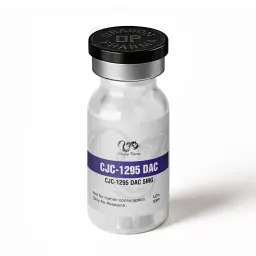
✔️ Stimulating natural growth hormone release
✔️ Supporting muscle growth and strength gains
✔️ Enhancing recovery and repair after workouts
✔️ Promoting fat metabolism and lean body composition

✔️ Supporting cellular health and longevity
✔️ Promoting improved sleep quality and circadian rhythm
✔️ Assisting in recovery and overall wellness
✔️ Supporting resilience under physical and mental stress

✔️ Supporting muscle growth and hypertrophy
✔️ Enhancing recovery and tissue repair
✔️ Promoting lean body composition
✔️ Improving strength and performance gains
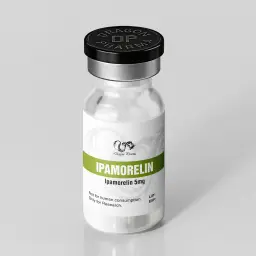
✔️ Stimulating natural growth hormone release
✔️ Supporting muscle growth and recovery
✔️ Enhancing fat metabolism and lean body composition
✔️ Promoting improved sleep and overall wellness
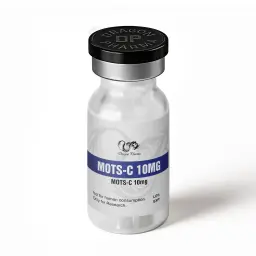
✔️ Supporting cellular energy and mitochondrial function
✔️ Enhancing metabolic rate and fat metabolism
✔️ Promoting endurance and exercise performance
✔️ Assisting in overall recovery and physical resilience
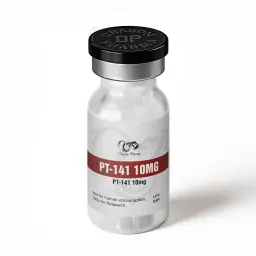
✔️ Enhancing sexual desire and libido
✔️ Supporting sexual function in men and women
✔️ Promoting arousal and intimate wellness
✔️ Boosting confidence during sexual activity

✔️ Supporting mood balance and reducing stress
✔️ Promoting relaxation without strong sedation
✔️ Supporting research on anxiety‑related responses
✔️ Studying potential immune system modulation

✔️ Enhancing focus, concentration, and mental clarity
✔️ Supporting memory and cognitive performance
✔️ Reducing stress and promoting emotional balance
✔️ Boosting overall brain function and mental resilience

✔️ Stimulating natural growth hormone production
✔️ Supporting muscle growth and recovery
✔️ Enhancing fat metabolism and lean body composition
✔️ Promoting energy, vitality, and overall wellness

✔️ Supporting tendon, ligament, muscle recovery
✔️ Promoting wound healing and tissue repair
✔️ Reducing inflammation and injury downtime
✔️ Enhancing overall recovery and performance

✔️ Promoting rapid tendon, ligament, and muscle repair
✔️ Supporting joint and soft tissue recovery
✔️ Reducing inflammation and injury downtime
✔️ Enhancing overall healing and athletic performance

✔️ Stimulating natural growth hormone release
✔️ Supporting fat metabolism and body composition
✔️ Enhancing muscle recovery and repair
✔️ Promoting overall energy, vitality, and wellness

✔️ Diluting and reconstituting peptide powders for injection
✔️ Maintaining sterility of injectable solutions
✔️ Preventing bacterial growth in multi-use vials
✔️ Ensuring safe and accurate dosage preparation

✔️ Supporting weight management and fat loss
✔️ Regulating appetite and promoting satiety
✔️ Enhancing metabolic function and insulin sensitivity
✔️ Assisting in overall body composition improvement

✔️ Supporting weight management and fat loss
✔️ Regulating appetite and enhancing satiety
✔️ Improving metabolic function and insulin sensitivity
✔️ Assisting in overall body composition and wellness
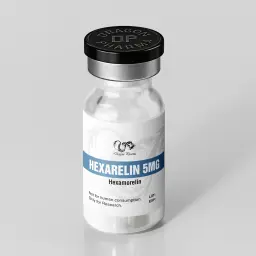
✔️ Stimulating natural growth hormone release
✔️ Supporting muscle growth and strength gains
✔️ Enhancing recovery and tissue repair
✔️ Promoting fat metabolism and lean body composition

✔️ Promoting natural tanning and skin pigmentation
✔️ Enhancing protection against UV damage
✔️ Supporting appetite regulation and metabolism
✔️ Boosting sexual function and libido
Peptides for Laboratory and Preclinical Research
Introduction and Overview
The category of peptides encompasses short chains of amino acids utilized in laboratory and preclinical research to study biochemical, cellular, and molecular mechanisms. These compounds are strictly for research purposes only and are not approved for human consumption, therapeutic use, or clinical applications. In experimental settings, peptides serve as essential tools for probing signaling pathways, protein-protein interactions, receptor modulation, and intracellular biochemical networks.
Research applications include studies of cellular signaling, metabolic regulation, immune modulation, neurobiology, and tissue regeneration. By employing peptides under controlled laboratory conditions, scientists can dissect molecular mechanisms with high specificity and reproducibility without implying efficacy or therapeutic outcomes.
Biological Relevance
Peptide Signaling and Molecular Pathways
Peptides interact with receptors, ion channels, and intracellular signaling cascades to influence processes such as MAPK/ERK, PI3K/Akt, cAMP-mediated pathways, and Ca²⁺-dependent mechanisms. Laboratory studies use peptides to examine how these pathways regulate cellular responses, protein expression, and biochemical adaptation in preclinical models.
Cellular Systems and Functional Roles
Peptides are employed across multiple cell types, including neurons, immune cells, myocytes, and epithelial cells, to investigate intercellular communication, metabolic signaling, and structural integrity. Experimental models may include primary cell cultures, immortalized cell lines, organotypic cultures, and animal models under tightly controlled laboratory conditions.
Stress and Adaptive Mechanisms
In preclinical studies, peptides are used to explore cellular responses to oxidative stress, apoptosis, and autophagic regulation. These investigations focus on the fundamental biology of cellular resilience and adaptation, without implying therapeutic benefits or clinical applications.
Key Peptide Classes
Signaling Modulators
This class includes peptides that interact with receptors and intracellular signaling networks to study molecular cascades and regulatory mechanisms. Applications include investigation of metabolic pathways (metabolic research), neuronal signaling (neurocognitive research), and hormonal pathways (endocrine research).
Structural and Extracellular Peptides
Peptides that influence extracellular matrix composition, tissue architecture, or cellular adhesion are studied in musculoskeletal research, regeneration research, and dermatology research to investigate mechanisms of tissue maintenance and remodeling under laboratory conditions.
Stress Response and Cytoprotective Peptides
These peptides are applied in preclinical studies to examine mechanisms of oxidative stress response, apoptosis regulation, and intracellular adaptive pathways. Their use provides insight into cellular resilience across multiple tissue types without implying clinical or therapeutic application.
Internal and External Research Connections
Peptides have broad applications and intersect with multiple research categories. Studies may integrate immune support research for cytokine and inflammation modulation, cardiovascular research for vascular signaling studies, longevity research for aging-related cellular mechanisms, and reproductive research to examine hormone-related peptide interactions.
Authoritative external references provide scientific context and protocol guidance for peptide studies: PubMed, NCBI, and NIH.
Compliance and Disclaimer
All peptides listed under this category are strictly for laboratory and preclinical use only. They are not approved for human or veterinary consumption or therapeutic use by regulatory agencies such as the FDA. Researchers must follow institutional biosafety protocols, ethical standards, and controlled experimental procedures to ensure reproducibility, safety, and compliance.
Guidance from institutions such as the World Health Organization and National Institutes of Health supports responsible laboratory practices and preclinical research.
Frequently Asked Questions
What are peptides in research?
Peptides are short chains of amino acids used exclusively in laboratory and preclinical studies to investigate molecular mechanisms, signaling pathways, and cellular interactions. They are not intended for clinical or therapeutic use.
Can peptides be administered to humans?
No. All compounds in this category are strictly for preclinical and laboratory research and are not approved for human use.
Which models are used in peptide research?
Experimental models include cell cultures, organotypic tissues, and animal studies to study signaling pathways, metabolic networks, neurobiology, and tissue remodeling mechanisms.
How do peptides connect with other research categories?
Peptides are relevant across metabolic research, musculoskeletal research, neurocognitive research, immune support research, regeneration research, and longevity research due to shared intracellular and extracellular signaling mechanisms.
Where can I access authoritative literature on peptides?
Peer-reviewed studies and experimental data are accessible through PubMed, NCBI, and the NIH databases, which provide detailed protocols, mechanistic studies, and preclinical research information.
References
PubMed – Peptide Biochemistry and Preclinical Studies
NCBI – Molecular Signaling and Peptide Research
NIH – Laboratory Research Guidelines and Protocols
FDA – Regulatory Information on Research Compounds
WHO – Preclinical Research and Laboratory Standards
NCBI – Peptides in Molecular and Cellular Research

