| Drug Class: |
Dual GLP-1 and glucagon receptor agonist peptide (metabolic regulatory research compound) |
| Molecular Formula: |
Proprietary peptide structure; exact molecular formula not universally disclosed |
| Molecular Weight: |
~4,000–5,000 Da (estimated peptide mass range) |
| Form: |
Lyophilized powder |
| Purity: |
Not specified (typically ≥98% peptide purity for research-grade synthesis) |
| Sequence: |
Synthetic long-acting peptide analogue with GLP-1 and glucagon receptor agonist activity (proprietary sequence) |
| Brand: |
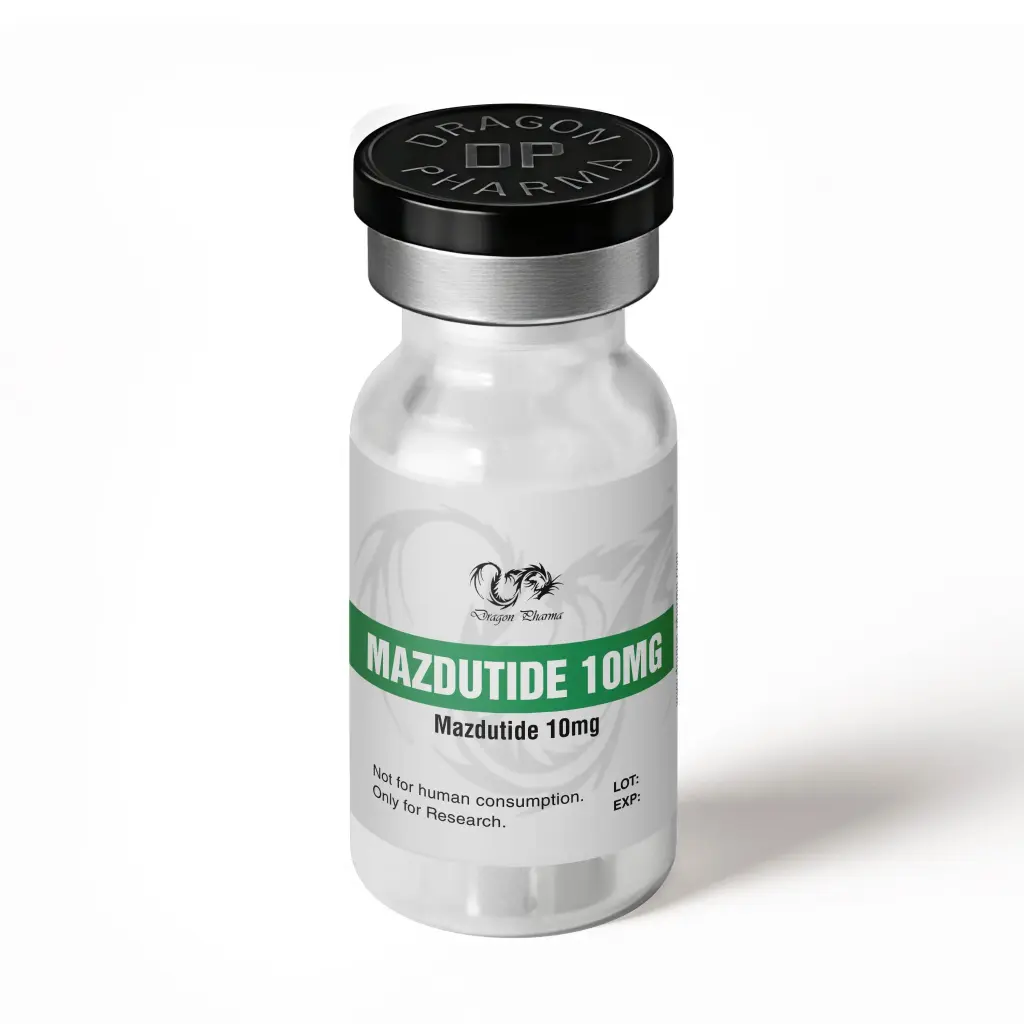
Dragon Pharma |
| Substances: |
Mazdutide (dual GLP-1/glucagon receptor agonist peptide) |
| Concentration: |
10 mg |
Product Disclaimer: Research Purposes Only
This product is intended strictly for laboratory research and in vitro analysis. It is not approved for human or animal use. Any form of internal administration is prohibited by law. Handling should be limited to qualified and licensed professionals. This item is not classified as a pharmaceutical, dietary supplement, or cosmetic product. For educational and scientific research use only.
What is Dragon Pharma Mazdutide?
Mazdutide is an innovative dual-acting peptide designed to target both GLP-1 (glucagon-like peptide-1) receptors and glucagon receptors, positioning it as a next-generation compound in metabolic research. Unlike single-pathway incretin analogs, Mazdutide combines appetite suppression with enhanced energy expenditure, making it highly relevant in studies focused on obesity, insulin resistance, and cardiometabolic health. By influencing multiple hormonal systems involved in glucose regulation and fat metabolism, this peptide has attracted attention in advanced research exploring sustainable weight management and improved metabolic flexibility.
Mechanism of Action:
Mazdutide works through a dual-agonist mechanism. Activation of GLP-1 receptors enhances glucose-dependent insulin secretion, suppresses glucagon release (in a glucose-regulated manner), slows gastric emptying, and promotes satiety. Simultaneously, controlled stimulation of glucagon receptors increases energy expenditure and promotes lipolysis. This balanced interaction allows for improved glycemic control, reduced caloric intake, and increased fat utilization. The synergy between these pathways may contribute to more pronounced body composition changes compared to single-receptor peptides, making Mazdutide a key candidate in metabolic and endocrine research.
Benefits:
- Supports significant appetite suppression and weight reduction
- Enhances insulin sensitivity and glucose regulation
- Promotes increased energy expenditure and fat metabolism
- Contributes to improved cardiometabolic health markers
Research Applications:
- Studying dual GLP-1/glucagon receptor signaling pathways
- Investigating advanced obesity and fat-loss mechanisms
- Evaluating metabolic syndrome and insulin resistance models
- Exploring energy balance and hormonal adaptation research
Dosing Instructions:
- Dosing: Reconstitute with sterile bacteriostatic water using aseptic technique
- Daily Dose: Common research range 1–10 mg per week depending on protocol
- Route: Subcutaneous injection with site rotation
- Duration: 8–20 weeks in structured metabolic studies
- Frequency: Once weekly due to extended receptor activity
- Recommended Cycles: 1–2 research cycles annually with monitoring periods
- PCT: Not required; monitor metabolic and endocrine markers post-cycle
Stacking With Other Products:
- CJC-1295 DAC for endocrine and recovery pathway studies
- AOD 9604 for complementary fat-metabolism research
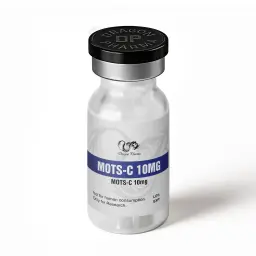
- MOTS-c to examine mitochondrial and metabolic synergy
- Tesamorelin for combined visceral fat research applications
Side Effects:
- Mild nausea or gastrointestinal discomfort
- Temporary reduced appetite or fatigue during adaptation
- Occasional injection-site redness or irritation
- Rare headache or mild dizziness
Contraindications:
- Hypersensitivity to Mazdutide or formulation components
- History of medullary thyroid carcinoma or endocrine tumors
- Pregnancy or breastfeeding due to insufficient safety data
- Individuals with severe pancreatic or gastrointestinal disorders should seek medical supervision
Conclusion
Mazdutide represents a promising advancement in dual-agonist peptide research by combining GLP-1–mediated appetite control with glucagon-driven energy expenditure. This integrated approach offers enhanced potential for improving body composition, glycemic balance, and overall metabolic health compared to traditional single-pathway compounds. When incorporated into well-structured research protocols with proper monitoring, Mazdutide provides valuable insight into hormonal regulation, fat metabolism, and long-term metabolic adaptation, making it a powerful candidate in the evolving field of obesity and endocrine science.
References:
- Ji L, et al. "Dual GLP-1 and Glucagon Receptor Agonists in Obesity Treatment." Diabetes Care.
- ClinicalTrials.gov Identifier: NCT04904913 – Mazdutide in Obesity Research
- Müller TD, et al. "Glucagon/GLP-1 Co-Agonism for Metabolic Disease." Molecular Metabolism.
- Finan B, et al. "Next-Generation Incretin-Based Therapies." Nature Reviews Endocrinology.
Mazdutide FAQ
✔️ What is Mazdutide?
Mazdutide is a synthetic peptide designed to mimic the activity of GLP-1 (Glucagon-like Peptide-1), often used to support weight management and metabolic health.
✔️ How does Mazdutide work?
Mazdutide works by stimulating insulin secretion, reducing appetite, and slowing gastric emptying, which can lead to improved blood sugar control and fat loss.
✔️ What is the recommended dosage of Mazdutide?
Dosage varies depending on individual goals, but typical protocols start with 0.1–0.3 mg daily and may gradually increase based on tolerance and therapeutic response.
✔️ How should Mazdutide be stored?
Mazdutide should be stored in a refrigerator (2–8°C) and protected from light. Once reconstituted, it is recommended to use within 14 days.
✔️ Can Mazdutide cause side effects?
Possible side effects include nausea, mild headache, or digestive discomfort. Most are temporary and often resolve as the body adjusts to the peptide.
✔️ How long does it take to see results with Mazdutide?
Users may notice reduced appetite and better glycemic control within 2–4 weeks, while weight loss effects may become more visible after 6–8 weeks.
✔️ Can Mazdutide be combined with other peptides?
Mazdutide is sometimes combined with other metabolic or fat-loss peptides, but this should only be done under medical supervision to avoid adverse interactions.
✔️ Is Mazdutide safe for people with diabetes?
Mazdutide may help regulate blood sugar in individuals with diabetes, but dosing adjustments may be necessary. Monitoring by a healthcare professional is strongly recommended.
✔️ How is Mazdutide administered?
Mazdutide is typically administered via subcutaneous injection, often once daily, into areas such as the abdomen, thigh, or upper arm.
✔️ Can Mazdutide be used for long-term weight management?
Yes, when combined with diet and lifestyle changes, Mazdutide can support sustainable weight management, though long-term use should be monitored by a medical professional.
Storage and Safety — Mazdutide (Dragon Pharma)
Proper storage and handling of Mazdutide is critical to maintain its potency, stability, and research integrity. Each vial should be kept in a cool, dry environment, protected from direct sunlight, heat, and humidity. For optimal preservation, it is recommended to store the lyophilized peptide in a refrigerator at 2–8°C until it is ready for research applications.
Key Storage Guidelines
- Avoid repeated freeze-thaw cycles, as this can compromise peptide integrity and reduce experimental reliability.
- Keep vials sealed and labeled to ensure traceability and minimize contamination risks.
- Use sterile techniques during reconstitution and handling to maintain a pure research environment.
Safety Considerations
Mazdutide is a research-grade peptide intended strictly for experimental and laboratory use. It should never be used for human or veterinary consumption. Researchers should wear appropriate personal protective equipment (PPE), and all procedures should follow laboratory safety standards to prevent exposure and maintain sample integrity.
Best Practices
- Document storage temperature and condition history for each vial.
- Handle all peptides in a controlled research environment.
- Ensure trained personnel manage and monitor the peptide to uphold quality and reproducibility.
Following these storage and safety protocols guarantees that Mazdutide retains its stability, purity, and effectiveness, providing researchers with reliable and reproducible results in all experimental studies.




October 16, 2026
My experience with Mazdutide was very positive overall. The biggest change I noticed was how quickly I felt full during meals. This made it much easier to avoid overeating and stay within my calorie goals. The effects built gradually rather than suddenly, which made it feel more natural and sustainable. I was able to stay consistent with my diet without feeling overwhelmed.