


Peptide Brands – Dragon Pharma, Axiolabs, British Dragon & Kalpa Pharma

✔️ Supporting fat metabolism and weight management
✔️ Assisting in lean body composition maintenance
✔️ Supporting recovery from exercise and training
✔️ Promoting overall metabolic wellness
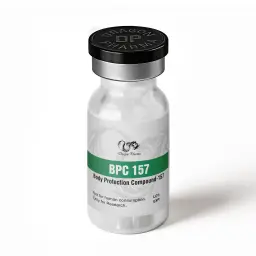
✔️ Supporting tendon, ligament, and muscle recovery
✔️ Promoting joint and soft tissue healing
✔️ Assisting in gut and digestive system repair
✔️ Enhancing recovery from injuries and training stress

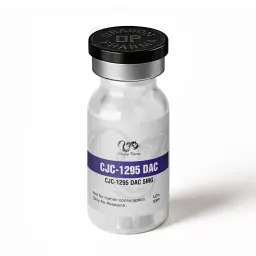
✔️ Supporting appetite control and weight management
✔️ Assisting in fat loss and metabolic balance
✔️ Helping regulate blood sugar levels
✔️ Supporting lean body composition during training
✔️ Stimulating natural growth hormone release
✔️ Supporting muscle growth and strength gains
✔️ Enhancing recovery and repair after workouts
✔️ Promoting fat metabolism and lean body composition

✔️ Supporting cellular health and longevity
✔️ Promoting improved sleep quality and circadian rhythm
✔️ Assisting in recovery and overall wellness
✔️ Supporting resilience under physical and mental stress
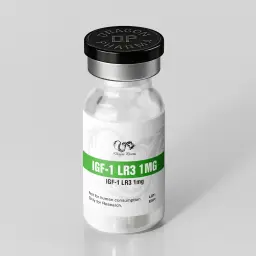
✔️ Supporting muscle growth and hypertrophy
✔️ Enhancing recovery and tissue repair
✔️ Promoting lean body composition
✔️ Improving strength and performance gains
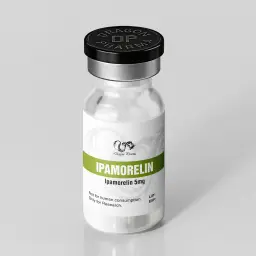
✔️ Stimulating natural growth hormone release
✔️ Supporting muscle growth and recovery
✔️ Enhancing fat metabolism and lean body composition
✔️ Promoting improved sleep and overall wellness
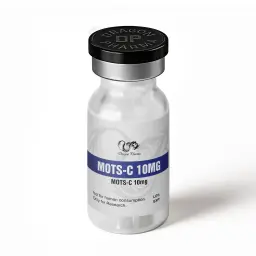
✔️ Supporting cellular energy and mitochondrial function
✔️ Enhancing metabolic rate and fat metabolism
✔️ Promoting endurance and exercise performance
✔️ Assisting in overall recovery and physical resilience
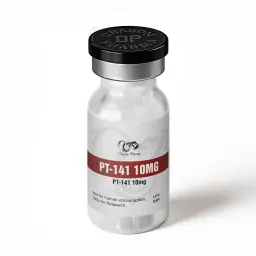
✔️ Enhancing sexual desire and libido
✔️ Supporting sexual function in men and women
✔️ Promoting arousal and intimate wellness
✔️ Boosting confidence during sexual activity

✔️ Supporting mood balance and reducing stress
✔️ Promoting relaxation without strong sedation
✔️ Supporting research on anxiety‑related responses
✔️ Studying potential immune system modulation

✔️ Enhancing focus, concentration, and mental clarity
✔️ Supporting memory and cognitive performance
✔️ Reducing stress and promoting emotional balance
✔️ Boosting overall brain function and mental resilience

✔️ Stimulating natural growth hormone production
✔️ Supporting muscle growth and recovery
✔️ Enhancing fat metabolism and lean body composition
✔️ Promoting energy, vitality, and overall wellness
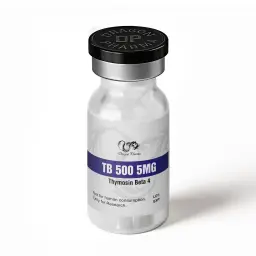
✔️ Supporting tendon, ligament, muscle recovery
✔️ Promoting wound healing and tissue repair
✔️ Reducing inflammation and injury downtime
✔️ Enhancing overall recovery and performance
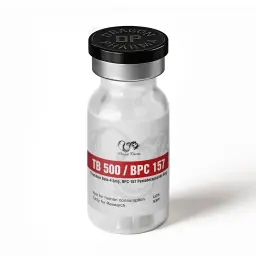
✔️ Promoting rapid tendon, ligament, and muscle repair
✔️ Supporting joint and soft tissue recovery
✔️ Reducing inflammation and injury downtime
✔️ Enhancing overall healing and athletic performance
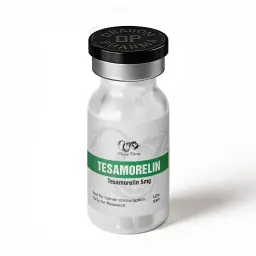
✔️ Stimulating natural growth hormone release
✔️ Supporting fat metabolism and body composition
✔️ Enhancing muscle recovery and repair
✔️ Promoting overall energy, vitality, and wellness

✔️ Building Muscle Mass
✔️ Increasing Strength and Endurance
✔️ Supporting Fat Loss
✔️ Improving Bone Density
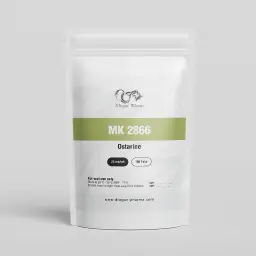
✔️ Building Lean Muscle
✔️ Increasing Strength and Performance
✔️ Supporting Fat Loss
✔️ Enhancing Bone Health

✔️ Diluting and reconstituting peptide powders for injection
✔️ Maintaining sterility of injectable solutions
✔️ Preventing bacterial growth in multi-use vials
✔️ Ensuring safe and accurate dosage preparation

✔️ Enhancing Endurance and Stamina
✔️ Supporting Fat Loss
✔️ Improving Cardiovascular Health
✔️ Boosting Exercise Performance

✔️ Supporting weight management and fat loss
✔️ Regulating appetite and promoting satiety
✔️ Enhancing metabolic function and insulin sensitivity
✔️ Assisting in overall body composition improvement
Peptide Brands – Dragon Pharma, Axiolabs, British Dragon & Kalpa Pharma
Overview of Research Peptide Manufacturers
The field of research peptides has expanded significantly over the past decade, driven by advances in molecular biology, peptide engineering, synthetic chemistry, and biotechnology. Modern laboratory investigations frequently utilize highly purified peptides and related compounds to study receptor interactions, intracellular signaling networks, metabolic regulation, cellular communication, and numerous physiological pathways.
Within this research landscape, manufacturers such as Dragon Pharma Peptide, Axiolabs Peptide, British Dragon Peptide, and Kalpa Pharma Peptide have become recognized names associated with peptide-based laboratory compounds and preclinical research materials. These brands are commonly referenced across scientific discussions involving peptide synthesis, analytical testing, formulation consistency, and experimental research applications. Available product lines frequently include growth hormone secretagogues, metabolic research peptides, mitochondrial peptides, regenerative signaling compounds, and other specialized laboratory molecules.
It is important to note that all compounds discussed within this category are intended strictly for research purposes only and are not promoted for human consumption, therapeutic use, diagnosis, or disease-related applications.
Understanding Peptide Research and Molecular Investigation
Peptides are short chains of amino acids that serve as biological signaling molecules throughout living systems. Researchers investigate peptides because they often function as highly selective ligands capable of interacting with specific receptors, enzymes, transport proteins, and signaling pathways.
Modern laboratory studies frequently focus on:
- Cellular signaling pathways
- Growth factor regulation
- Metabolic communication networks
- Neuroendocrine signaling
- Mitochondrial biology
- Extracellular matrix interactions
- Immune system communication pathways
- Gene expression regulation
Many peptide compounds investigated in research settings are designed to mimic naturally occurring signaling molecules, allowing scientists to evaluate receptor specificity, intracellular responses, and molecular adaptation mechanisms under controlled experimental conditions.
Dragon Pharma Research Peptides
Dragon Pharma maintains one of the more extensive peptide portfolios within the research compound sector. Available categories have included growth hormone secretagogues, recovery-related peptides, metabolic signaling compounds, cognitive research peptides, and specialized experimental molecules.
Research compounds frequently associated with Dragon Pharma include:
- Ipamorelin
- Tesamorelin
- Sermorelin
- BPC-157
- TB-500
- GHK-Cu
- MOTS-c
These compounds are commonly investigated for receptor pharmacology, endocrine signaling pathways, mitochondrial communication systems, and molecular adaptation mechanisms. Research catalogs published by vendors referencing Dragon Pharma indicate a broad focus on peptide-based laboratory studies.
Axiolabs Research Peptides
Axiolabs is frequently referenced within peptide research communities as a manufacturer providing laboratory-grade peptide formulations for experimental use. Product portfolios commonly include growth hormone secretagogues, regenerative signaling peptides, metabolic research compounds, and copper-peptide complexes.
Research materials associated with Axiolabs often include:
- Sermorelin
- Ipamorelin
- Tesamorelin
- BPC-157
- TB-500
- GHK-Cu
- MOTS-c
These compounds are typically studied within biochemical models examining peptide receptor interactions, cellular signaling cascades, and molecular regulatory systems. Axiolabs-branded research compounds are frequently discussed alongside broader peptide research initiatives.
British Dragon Peptides
British Dragon is another established name associated with peptide research compounds. Publicly available catalogs indicate product lines that include growth hormone secretagogues, recovery-related peptides, copper-binding peptides, and experimental signaling molecules.
Commonly referenced compounds include:
- BPC-157
- TB-500
- GHK-Cu
- Ipamorelin
- Sermorelin
- Tesamorelin
- MOTS-c
Research involving these compounds frequently focuses on intracellular signaling, extracellular matrix biology, endocrine communication pathways, and mitochondrial signaling networks. :contentReference[oaicite:5]{index=5}
Kalpa Pharma Research Peptides
Kalpa Pharma is commonly associated with peptide research products intended for laboratory investigation and preclinical experimentation. Its research portfolio often includes synthetic peptide analogs, growth hormone secretagogues, metabolic pathway compounds, and specialized signaling molecules.
Examples frequently encountered in research catalogs include:
- Kalpatropin
- Sermorelin
- Ipamorelin
- Tesamorelin
- BPC-157
- TB-500
- GHK-Cu
- MOTS-c
Laboratory studies involving these compounds commonly investigate receptor activation, signal transduction pathways, metabolic regulation, and molecular adaptation processes.
Cross-Disciplinary Research Applications
Peptide investigations frequently overlap multiple scientific disciplines. Researchers studying these compounds may also explore related areas including:
- Metabolic Research
- Endocrine Research
- Neurocognitive Research
- Longevity Research
- Cardiovascular Research
- Inflammation Research
- Regeneration Research
- Musculoskeletal Research
- Immune Support Research
- Laboratory Research Supplies
Research Quality and Scientific Evaluation
When evaluating research peptides, scientists typically focus on several analytical parameters:
- Peptide purity
- Identity verification
- Batch consistency
- Analytical testing documentation
- Stability characteristics
- Storage conditions
- Laboratory handling protocols
These considerations help support reproducibility and reliability within laboratory investigations involving peptide-based compounds.
Research Compliance and Disclaimer
All compounds referenced within this category are intended strictly for laboratory and preclinical research purposes only. They are not represented as approved medicines, treatments, cures, or preventive interventions.
No statements within this category should be interpreted as medical advice, efficacy claims, safety claims, or recommendations for human consumption. Researchers should follow institutional policies, applicable regulations, and laboratory safety standards when handling peptide-related materials.
References
- PubMed – Biomedical Literature Database
- National Center for Biotechnology Information (NCBI)
- National Institutes of Health (NIH)
- World Health Organization (WHO)

