


Includes peptides for skin health, regeneration, and appearance. Highlights scientific data on skin-supportive compounds without making unverified medical claims.
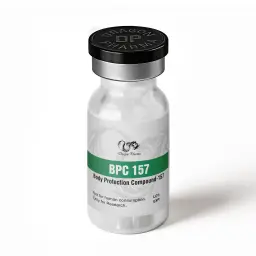
✔️ Supporting tendon, ligament, and muscle recovery
✔️ Promoting joint and soft tissue healing
✔️ Assisting in gut and digestive system repair
✔️ Enhancing recovery from injuries and training stress
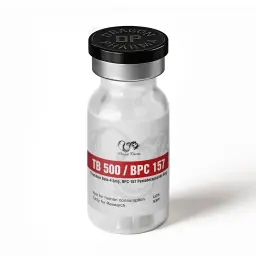
✔️ Promoting rapid tendon, ligament, and muscle repair
✔️ Supporting joint and soft tissue recovery
✔️ Reducing inflammation and injury downtime
✔️ Enhancing overall healing and athletic performance
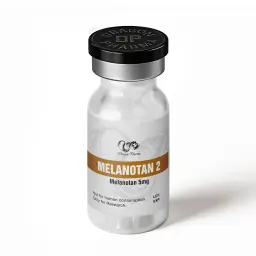
✔️ Promoting natural tanning and skin pigmentation
✔️ Enhancing protection against UV damage
✔️ Supporting appetite regulation and metabolism
✔️ Boosting sexual function and libido
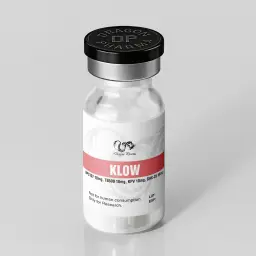
✔️ Accelerating tendon, ligament, and muscle repair
✔️ Supporting joint, tissue, and wound healing
✔️ Reducing inflammation and promoting recovery
✔️ Enhancing skin, tissue, and overall regenerative health
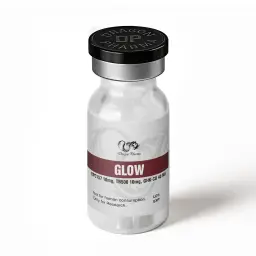
✔️ Promoting tendon, ligament, and muscle repair
✔️ Supporting joint and soft tissue recovery
✔️ Reducing inflammation and injury downtime
✔️ Enhancing tissue regeneration and overall healing
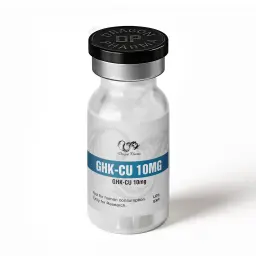
✔️ Supporting skin healing and anti-aging
✔️ Promoting tissue repair and collagen production
✔️ Enhancing wound recovery and scar reduction
✔️ Supporting hair growth and overall skin health
✔️ Skin repair research
✔️ Collagen synthesis studies
✔️ Wound healing models
✔️ Anti-aging peptide research
✔️ Tissue repair research
✔️ Gastrointestinal healing models
✔️ Angiogenesis pathway studies
✔️ Inflammation modulation research
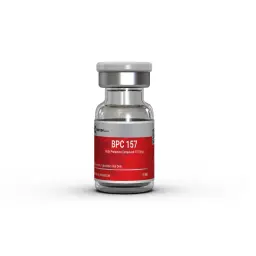
✔️ Soft tissue support studies
✔️ Injury recovery research
✔️ Joint mobility support
✔️ Performance recovery aid
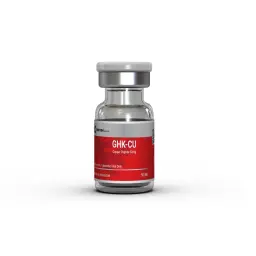
✔️ Skin regeneration studies
✔️ Collagen synthesis research
✔️ Wound healing models
✔️ Anti-aging peptide research
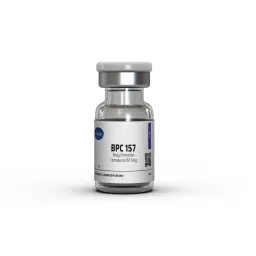
✔️ Recovery and repair research
✔️ Joint health support studies
✔️ Muscle recovery research
✔️ Tissue regeneration studies
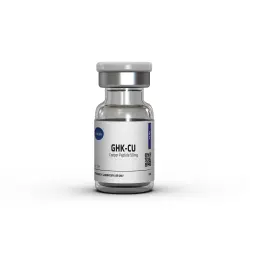
✔️ Skin appearance studies
✔️ Recovery enhancement research
✔️ Tissue regeneration models
✔️ Advanced peptide research
Dermatology Research Peptides
Introduction
The category of dermatology research peptides includes a range of synthetic and naturally derived amino acid sequences utilized in laboratory and preclinical studies to investigate skin biology, tissue maintenance, and molecular signaling involved in cutaneous physiology. These compounds are examined in in vitro cell culture systems, organotypic skin models, and controlled animal studies to understand mechanisms governing epidermal and dermal function. All peptides in this category are intended strictly for research purposes only and are not approved for human or veterinary use.
Dermatology research integrates molecular biology, biochemistry, and physiology to examine skin structure, barrier function, and cellular signaling. Peptides in this context serve as experimental tools to explore extracellular matrix dynamics, keratinocyte and fibroblast behavior, and intercellular communication without implying therapeutic efficacy or clinical application.
Biological Relevance and Mechanistic Context
Epidermal and Dermal Cellular Signaling
Dermatology research peptides are studied for their role in modulating signaling pathways critical to skin homeostasis. Key pathways include the MAPK/ERK cascade, PI3K/Akt signaling, and TGF-β-mediated modulation. Experimental use of these peptides allows researchers to dissect mechanisms of keratinocyte proliferation, fibroblast activity, and intercellular communication under controlled laboratory conditions.
Extracellular Matrix and Structural Protein Dynamics
The skin's structural integrity relies on components such as collagen, elastin, and glycosaminoglycans. Peptides in dermatology research are often examined for their impact on extracellular matrix (ECM) remodeling, matrix metalloproteinase (MMP) regulation, and structural protein turnover. These studies provide insight into how skin architecture adapts to cellular stress or environmental stimuli without implying direct application to human skin care.
Barrier Function and Cellular Stress Response
Experimental models frequently investigate peptides that influence cellular stress responses, oxidative stress, and inflammatory signaling within epidermal and dermal layers. These investigations elucidate mechanisms of barrier maintenance, keratinocyte differentiation, and tissue resilience at a molecular level, while remaining strictly within the scope of research and laboratory use.
Key Compound Classes in Dermatology Research
Matrix-Modulating Peptides
These peptides are used to study ECM interactions and structural protein dynamics. Laboratory studies focus on their role in collagen synthesis, elastin assembly, and MMP activity to understand skin integrity and tissue remodeling processes.
Cell Signaling Modulators
Peptides that interact with epidermal and dermal signaling pathways, such as MAPK/ERK or PI3K/Akt, are employed to investigate mechanisms of cellular proliferation, differentiation, and stress response under experimental conditions.
Barrier and Cytoprotective Peptides
Certain peptides are examined for their involvement in maintaining cellular homeostasis and barrier function. Laboratory research often evaluates their influence on keratinocyte and fibroblast viability, oxidative stress adaptation, and intracellular communication.
Inflammatory and Immune-Related Peptides
A subset of compounds is studied for their interaction with cytokine-mediated pathways and local inflammatory signaling. These peptides provide insight into immune cell crosstalk and tissue-level responses in controlled dermatology research models.
Cross-Category Research Integration
Dermatology research peptides intersect with multiple scientific domains. For example, regeneration research explores tissue repair and remodeling, while immune-support research examines local inflammatory and cytokine pathways. Metabolic research provides context for nutrient sensing and energy regulation in skin cells, and dermatology research itself often overlaps with endocrine research to study hormone-mediated signaling in skin physiology.
Research Compliance and Ethical Considerations
All dermatology research peptides are strictly for laboratory and preclinical research purposes only. They are not approved for human use or clinical application, in accordance with regulatory guidance from authorities such as the U.S. Food and Drug Administration. Researchers must follow institutional biosafety protocols, maintain controlled experimental conditions, and adhere to ethical standards when handling unapproved peptides.
Compliance with guidelines from authoritative organizations, including the National Institutes of Health and the World Health Organization, ensures scientific integrity, reproducibility, and safety in dermatology peptide research.
Frequently Asked Questions
What are dermatology research peptides?
Dermatology research peptides are short amino acid sequences used in laboratory studies to investigate skin physiology, cellular signaling, and extracellular matrix dynamics. They are not intended for therapeutic or cosmetic use.
Are these compounds approved for human use?
No. All compounds in this category are strictly for research purposes only and are not approved for clinical or veterinary applications.
What types of studies utilize these peptides?
These peptides are commonly employed in in vitro skin models, organotypic cultures, and preclinical experiments to study keratinocyte and fibroblast activity, signaling pathways, and structural protein regulation.
How do dermatology research peptides relate to other research areas?
They intersect with regeneration research, immune-support research, and metabolic research due to shared pathways such as cellular stress response, extracellular matrix remodeling, and local inflammation.
Where can researchers find additional scientific literature?
Authoritative research articles and reviews are accessible via databases such as PubMed and the National Center for Biotechnology Information.
References
PubMed – Biomedical Literature Database
NCBI – National Center for Biotechnology Information
WHO – World Health Organization

