


Covers peptides and compounds that may support immune function. Provides educational insights based on research without making unapproved health claims.

✔️ Supporting cellular health and longevity
✔️ Promoting improved sleep quality and circadian rhythm
✔️ Assisting in recovery and overall wellness
✔️ Supporting resilience under physical and mental stress

✔️ Supporting mood balance and reducing stress
✔️ Promoting relaxation without strong sedation
✔️ Supporting research on anxiety‑related responses
✔️ Studying potential immune system modulation

✔️ Enhancing focus, concentration, and mental clarity
✔️ Supporting memory and cognitive performance
✔️ Reducing stress and promoting emotional balance
✔️ Boosting overall brain function and mental resilience

✔️ Promoting rapid tendon, ligament, and muscle repair
✔️ Supporting joint and soft tissue recovery
✔️ Reducing inflammation and injury downtime
✔️ Enhancing overall healing and athletic performance
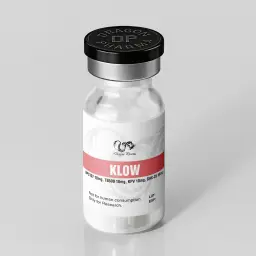
✔️ Accelerating tendon, ligament, and muscle repair
✔️ Supporting joint, tissue, and wound healing
✔️ Reducing inflammation and promoting recovery
✔️ Enhancing skin, tissue, and overall regenerative health

✔️ Enhancing endurance and stamina
✔️ Supporting cellular energy and metabolism
✔️ Promoting fat oxidation and lean body composition
✔️ Assisting in recovery and performance optimization

✔️ Promoting deep and restful sleep
✔️ Supporting stress reduction and relaxation
✔️ Enhancing recovery and overall well-being
✔️ Assisting in hormonal balance and repair processes

✔️ Supporting immune system function
✔️ Enhancing recovery from illness or infection
✔️ Promoting overall cellular repair and regeneration
✔️ Assisting in anti-inflammatory and immune balance
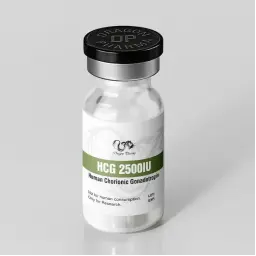
✔️ Restoring natural testosterone production
✔️ Supporting testicular health after cycles
✔️ Enhancing post-cycle recovery and strength
✔️ Maintaining hormonal balance
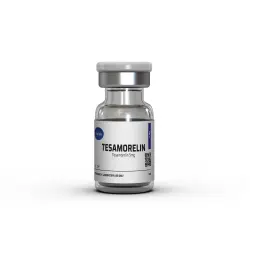
✔️ Growth hormone research
✔️ Body composition studies
✔️ Fat metabolism research
✔️ Recovery support studies
Laboratory Investigation of Immune Modulatory Peptides
Overview of Immunological Research Peptides
This category encompasses immune-modulatory peptides used exclusively in controlled laboratory environments to study cellular and molecular aspects of the immune system. These compounds are explored in preclinical models, including immune cell cultures and ex vivo tissue systems, to understand the mechanistic regulation of immune responses, signaling pathways, and intercellular communication. They are for research purposes only and are not intended for human or veterinary applications.
Cellular Targets and Mechanistic Insights
Modulation of Immune Signaling Networks
Research focuses on how peptides influence critical signaling pathways in immune cells, including the NF-κB, MAPK, and JAK/STAT axes. Studies examine receptor-mediated activation, downstream second messenger cascades, and intracellular transcriptional events that regulate cytokine expression and immune cell behavior.
Impact on Cytokine and Chemokine Systems
Laboratory investigations often evaluate how peptides modulate cytokine release and chemokine gradients, which orchestrate immune cell migration, tissue infiltration, and paracrine interactions within experimental models. These studies aim to elucidate network dynamics without implying therapeutic applications.
Response to Cellular Stress and Inflammatory Signals
Peptides are also employed to study adaptive cellular mechanisms in response to oxidative stress, endoplasmic reticulum stress, and apoptotic signaling. Insights from such research contribute to understanding immune resilience and cellular homeostasis under laboratory conditions.
Categories of Immune Research Peptides
Receptor-Interaction Peptides
Peptides that bind to immune cell surface receptors allow controlled analysis of signaling initiation, receptor internalization, and downstream transcriptional changes. These are fundamental tools in preclinical immune studies.
Cytokine Pathway Modulators
Certain peptides are used to explore the regulation of pro- and anti-inflammatory cytokine pathways, providing insight into molecular networks underlying immune responses.
Stress and Protective Response Peptides
A subset of peptides examines mechanisms of cellular protection, oxidative stress mitigation, and apoptosis regulation. Research in this category focuses on tissue-level and molecular adaptation rather than therapeutic use.
Intersection with Broader Research Domains
Immune research peptides are often studied alongside related fields: inflammatory research for signaling cascades, tissue regeneration studies for immune-mediated repair mechanisms, skin immunology for barrier tissue function, and vascular immunology to assess endothelial interactions. Hormonal influence is also examined via endocrine research.
Compliance, Safety, and Ethical Guidelines
All immune support peptides are strictly for laboratory and preclinical research only. They are not approved for therapeutic, diagnostic, or human consumption purposes by authorities such as the FDA. Researchers must follow institutional biosafety protocols and ethical standards to ensure reproducibility, accuracy, and laboratory safety.
Common Questions in Immune Peptide Research
What is the primary research focus for these peptides?
The main objective is to understand signaling pathways, immune cell activation, and cytokine networks at a molecular and cellular level in preclinical settings.
Can these peptides be used in humans?
No. These compounds are intended solely for laboratory research and preclinical experimentation.
Which experimental systems are commonly used?
Peptides are applied in immune cell cultures, tissue explants, and animal models under controlled conditions to study cellular interactions and molecular signaling.
How do these peptides relate to other biological research areas?
They have relevance to inflammation studies, tissue repair, skin immunology, and cardiovascular research due to overlapping signaling pathways and immune-mediated effects.
Where is additional literature available?
Reliable sources include PubMed and the NCBI database, providing peer-reviewed research and preclinical data.
References
PubMed – Biomedical Literature Database
NCBI – National Center for Biotechnology Information
WHO – World Health Organization

