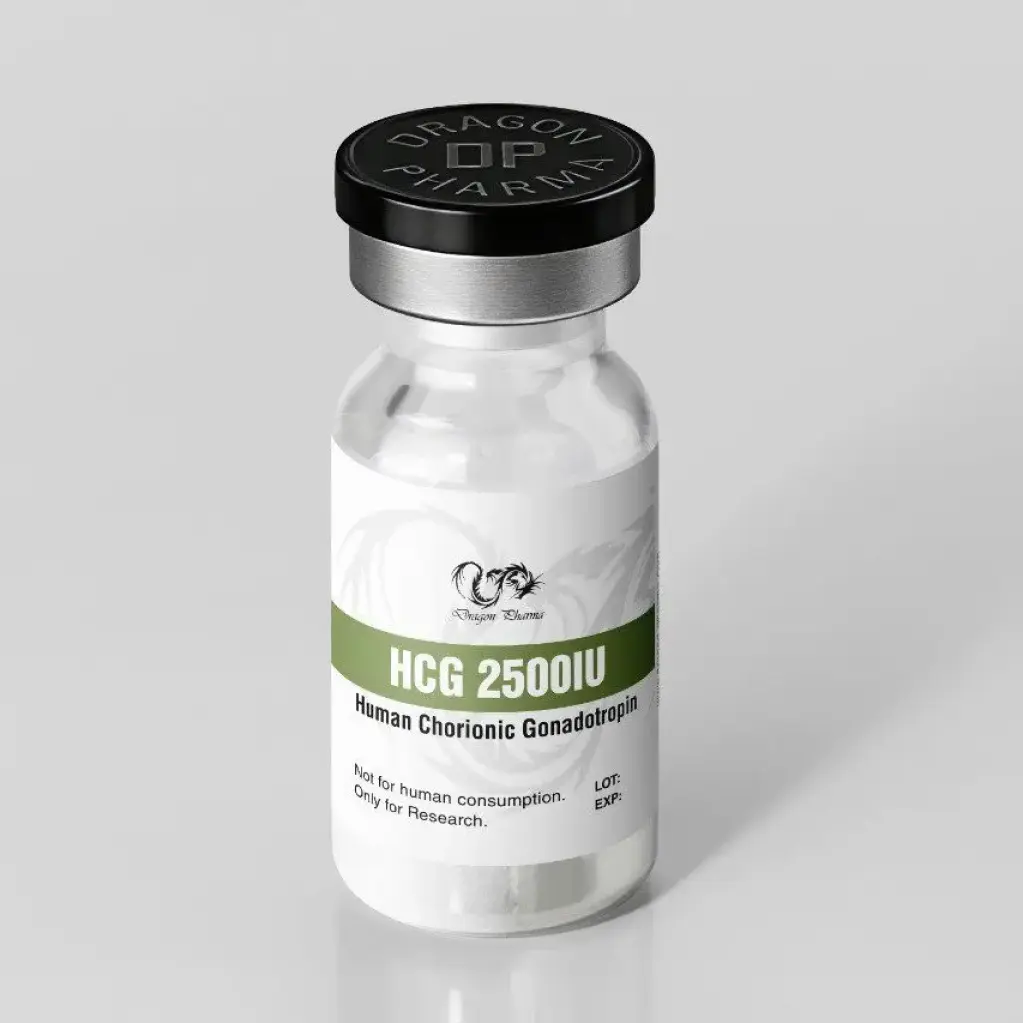
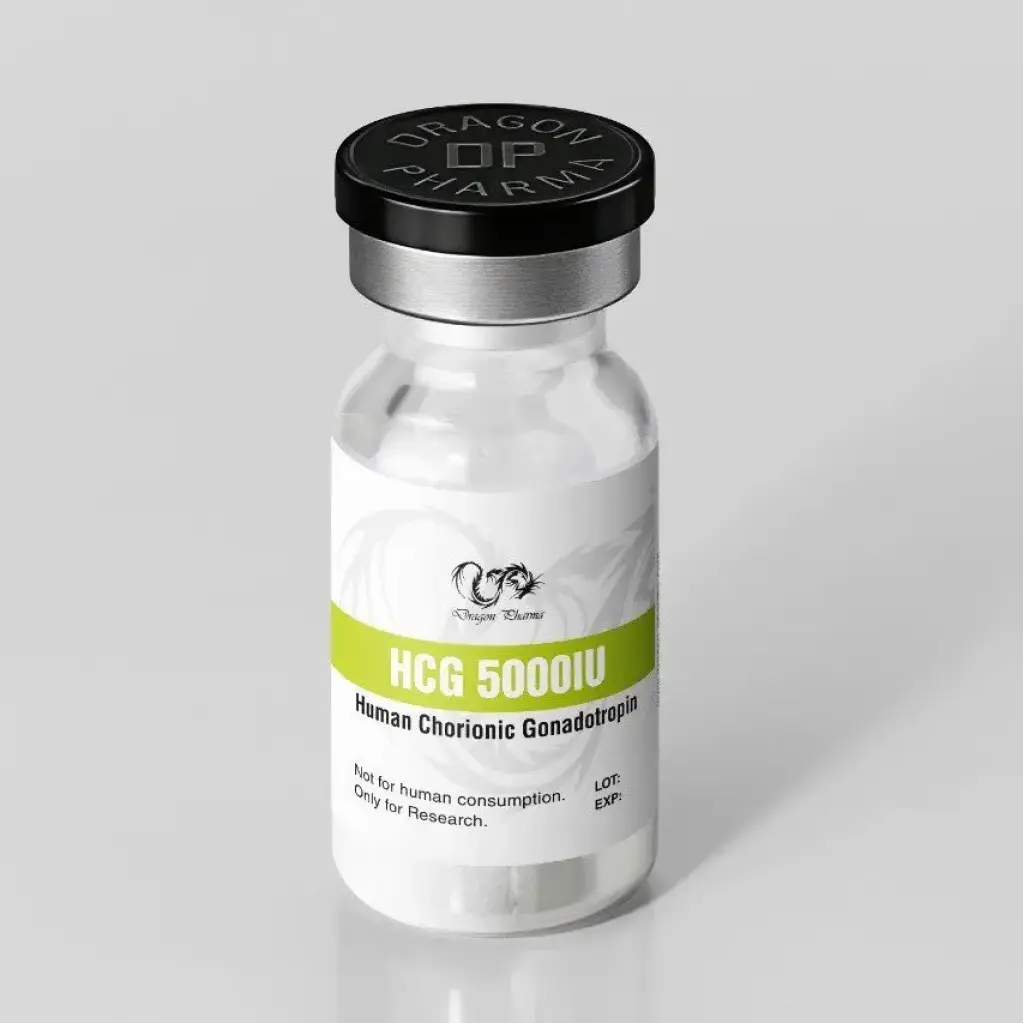
| Drug Class: |
Gonadotropin hormone (placental glycoprotein; LH receptor agonist) |
| Molecular Formula: |
Heterodimeric glycoprotein (α + β subunits; no single fixed molecular formula) |
| Molecular Weight: |
~36,000–40,000 Da (glycosylation-dependent variability) |
| Form: |
Lyophilized injectable glycoprotein (kit) |
| Purity: |
Not specified (activity standardized in IU rather than % purity) |
| Sequence: |
Alpha subunit shared with LH/FSH/TSH + unique beta subunit (human chorionic gonadotropin β-chain) |
| Brand: |
Dragon Pharma |
| Substances: |
Human Chorionic Gonadotropin (hCG) |
Product Disclaimer: Research Purposes Only
This product is intended strictly for laboratory research and in vitro analysis. It is not approved for human or animal use. Any form of internal administration is prohibited by law. Handling should be limited to qualified and licensed professionals. This item is not classified as a pharmaceutical, dietary supplement, or cosmetic product. For educational and scientific research use only.
What is Dragon Pharma HCG?
HCG (Human Chorionic Gonadotropin) is a glycoprotein hormone produced naturally during pregnancy and is widely used in research to stimulate endogenous testosterone production and support reproductive function. In experimental settings, HCG is utilized to study gonadal stimulation, fertility enhancement, and endocrine system regulation. It mimics luteinizing hormone (LH), making it a key tool in reproductive endocrinology, male hypogonadism research, and assisted reproductive technology studies.
Mechanism of Action:
HCG binds to LH receptors on Leydig cells in the testes or theca cells in ovaries, stimulating the production of testosterone or estrogen, respectively. In males, this activation supports spermatogenesis and maintains intratesticular testosterone levels. In females, it triggers ovulation and corpus luteum maintenance. HCG's mechanism allows researchers to investigate reproductive hormone modulation, gonadal physiology, and therapeutic strategies for infertility or hormone deficiencies.
Benefits:
- Stimulates endogenous testosterone production and supports spermatogenesis.
- Induces ovulation and supports luteal function in female reproductive studies.
- Maintains testicular size and function during hormonal therapies.
- Provides a model for studying endocrine regulation and fertility interventions.
Research Applications:
- Investigating assisted reproductive technologies, ovulation induction, and fertility treatments.
- Studying male hypogonadism, testosterone replacement, and spermatogenesis.
- Researching endocrine system regulation and LH receptor signaling.
- Exploring therapeutic applications in reproductive health and hormonal restoration.
Dosing Instructions:
- Dosing: Reconstitute HCG with sterile water, gently swirling to ensure full dissolution without shaking. Follow experimental protocol recommendations.
- Daily Dose: Typical research doses range from 500–2000 IU per injection, depending on the study and reproductive goal.
- Route: Subcutaneous or intramuscular injection is commonly used for optimal bioavailability.
- Duration: Experimental cycles often last 2–4 weeks, tailored to observe hormonal and gonadal responses.
- Frequency: Administered 2–3 times per week to maintain consistent hormone stimulation.
- Recommended Cycles: Cycle length may vary based on experimental objectives; monitoring of hormone levels is recommended.
- PCT: Often used as part of post-cycle therapy to restore natural testosterone production after exogenous hormone use.
Stacking With Other Products:
- HMG to provide additional FSH activity for enhanced spermatogenesis or ovulation studies.
- Testosterone replacement therapies to maintain muscle mass and reproductive function.
- Clomiphene Citrate to support endogenous LH and FSH production during research protocols.
- Aromatase inhibitors to regulate estrogen conversion and maintain hormonal balance.
Side Effects:
- Injection-site reactions such as redness, swelling, or mild discomfort.
- Headaches or mood changes in sensitive subjects.
- Fluid retention or mild edema in some research models.
- Rare cases of gynecomastia in males if estrogenic effects are unmonitored.
Contraindications:
- Hypersensitivity to HCG or any excipients in the formulation.
- Pregnancy outside of controlled research settings or without medical supervision.
- Hormone-sensitive cancers such as testicular or breast cancer.
- Severe hepatic, renal, or cardiovascular disorders without careful monitoring.
Conclusion
HCG is a versatile peptide hormone widely used in reproductive and endocrine research. Its ability to stimulate testosterone production, maintain gonadal function, and induce ovulation makes it indispensable in fertility and hormone restoration studies. When applied responsibly, HCG enables precise modulation of reproductive hormones, supports post-cycle recovery, and provides critical insights into gonadal physiology. Combining HCG with other peptides or hormonal modulators can optimize research outcomes, enhance reproductive function, and support comprehensive endocrine investigations. Proper reconstitution, dosing, and monitoring are essential for maximizing efficacy and safety.
References:
- Filicori, M., et al. "Human Chorionic Gonadotropin: Mechanism and Clinical Applications." Fertility and Sterility. 2005;83(2):329–339.
- Tan, S. L., et al. "HCG in Assisted Reproductive Technology: Research Applications." Human Reproduction Update. 2004;10(5):475–485.
- ClinicalTrials.gov Identifier: NCT01512844 – HCG in Male Hypogonadism and Fertility Research.
- Behre, H. M., et al. "Use of HCG in Male Infertility and Testosterone Restoration." Journal of Endocrinology. 2006;188(1):249–256.
HCG (Human Chorionic Gonadotropin) – FAQ
✔️ What is HCG (Human Chorionic Gonadotropin)?
HCG is a peptide hormone used in research to study gonadotropic activity, endocrine signaling, and reproductive physiology. It mimics natural LH in experimental models.
✔️ How does HCG work?
HCG binds to LH receptors in gonadal tissues, stimulating the production of sex steroids and supporting gametogenesis and reproductive system research.
✔️ What are the recommended storage conditions?
Store the lyophilized powder at 2–8°C, protected from light and moisture. After reconstitution with sterile diluent, keep refrigerated and use within the recommended research timeframe.
✔️ Is HCG safe for laboratory studies?
Yes, when handled according to research protocols, HCG is safe for controlled experimental studies. It is not intended for human use outside laboratory settings.
✔️ Can HCG be combined with other peptides or hormones?
Yes, HCG is often studied alongside HMG, FSH analogs, or GH peptides to explore synergistic effects on reproductive hormones and endocrine regulation.
✔️ How long is HCG stable after reconstitution?
After mixing with sterile bacteriostatic water, the solution should be stored refrigerated at 2–8°C and typically used within 7–14 days, depending on experimental protocols.
Storage and Safety – HCG (Human Chorionic Gonadotropin)
Proper storage and handling of HCG (Human Chorionic Gonadotropin) are critical to ensure its potency, stability, and reliability in research applications. The lyophilized powder should be stored at 2–8°C (36–46°F), protected from direct light, moisture, and heat. Avoid freezing the vial, as temperature fluctuations or repeated freeze-thaw cycles can compromise the peptide’s biological activity.
After reconstitution with a sterile bacteriostatic diluent, the solution must be stored refrigerated and used within the recommended timeframe, typically 7–14 days, to maintain full effectiveness. All handling should utilize sterile techniques to prevent contamination and ensure experimental accuracy.
Safety precautions include wearing gloves and lab attire, avoiding contact with skin, eyes, or mucous membranes, and performing all manipulations in a controlled laboratory environment. Dispose of used vials, syringes, and other materials according to biohazard waste regulations. HCG is intended solely for laboratory research purposes and is not for human consumption.
Summary: Maintaining proper temperature, sterility, and light protection ensures that HCG (Human Chorionic Gonadotropin) remains fully active, safe, and reliable for all experimental studies involving reproductive hormone research, endocrine regulation, and gonadotropic signaling pathways.