


Presents peptides and compounds that influence hormone regulation and endocrine system support. Focuses on evidence-based descriptions suitable for educational purposes.

✔️ Supporting fat metabolism and weight management
✔️ Assisting in lean body composition maintenance
✔️ Supporting recovery from exercise and training
✔️ Promoting overall metabolic wellness
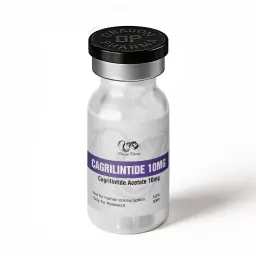
✔️ Supporting appetite control and weight management
✔️ Assisting in fat loss and metabolic balance
✔️ Helping regulate blood sugar levels
✔️ Supporting lean body composition during training
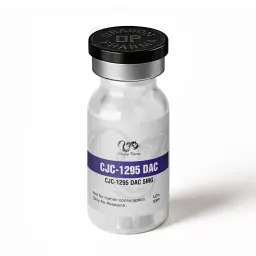
✔️ Stimulating natural growth hormone release
✔️ Supporting muscle growth and strength gains
✔️ Enhancing recovery and repair after workouts
✔️ Promoting fat metabolism and lean body composition

✔️ Supporting cellular health and longevity
✔️ Promoting improved sleep quality and circadian rhythm
✔️ Assisting in recovery and overall wellness
✔️ Supporting resilience under physical and mental stress
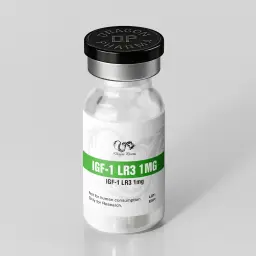
✔️ Supporting muscle growth and hypertrophy
✔️ Enhancing recovery and tissue repair
✔️ Promoting lean body composition
✔️ Improving strength and performance gains
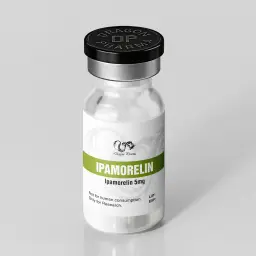
✔️ Stimulating natural growth hormone release
✔️ Supporting muscle growth and recovery
✔️ Enhancing fat metabolism and lean body composition
✔️ Promoting improved sleep and overall wellness
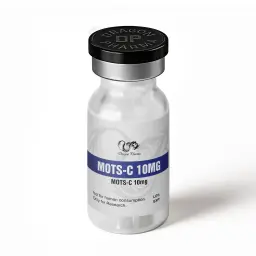
✔️ Supporting cellular energy and mitochondrial function
✔️ Enhancing metabolic rate and fat metabolism
✔️ Promoting endurance and exercise performance
✔️ Assisting in overall recovery and physical resilience
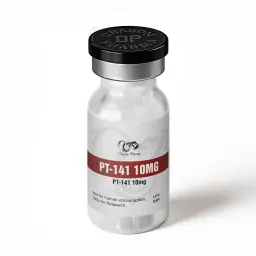
✔️ Enhancing sexual desire and libido
✔️ Supporting sexual function in men and women
✔️ Promoting arousal and intimate wellness
✔️ Boosting confidence during sexual activity

✔️ Stimulating natural growth hormone production
✔️ Supporting muscle growth and recovery
✔️ Enhancing fat metabolism and lean body composition
✔️ Promoting energy, vitality, and overall wellness
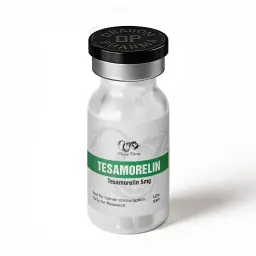
✔️ Stimulating natural growth hormone release
✔️ Supporting fat metabolism and body composition
✔️ Enhancing muscle recovery and repair
✔️ Promoting overall energy, vitality, and wellness
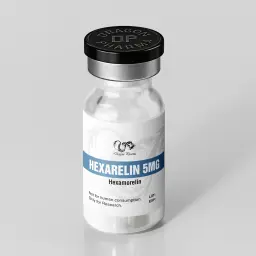
✔️ Stimulating natural growth hormone release
✔️ Supporting muscle growth and strength gains
✔️ Enhancing recovery and tissue repair
✔️ Promoting fat metabolism and lean body composition

✔️ Promoting natural tanning and skin pigmentation
✔️ Enhancing protection against UV damage
✔️ Supporting appetite regulation and metabolism
✔️ Boosting sexual function and libido
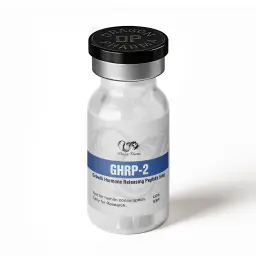
✔️ Stimulating natural growth hormone release
✔️ Supporting muscle growth and strength gains
✔️ Enhancing recovery and tissue repair
✔️ Promoting fat metabolism and lean body composition
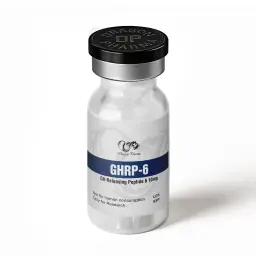
✔️ Stimulating natural growth hormone production
✔️ Supporting muscle growth and recovery
✔️ Enhancing fat metabolism and lean body composition
✔️ Promoting overall energy and vitality
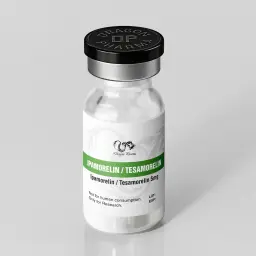
✔️ Stimulating natural growth hormone release
✔️ Supporting muscle growth and recovery
✔️ Enhancing fat metabolism and lean body composition
✔️ Promoting overall energy, vitality, and performance

✔️ Stimulating natural growth hormone release
✔️ Supporting muscle growth and recovery
✔️ Enhancing fat metabolism and lean body composition
✔️ Promoting improved sleep and overall wellness
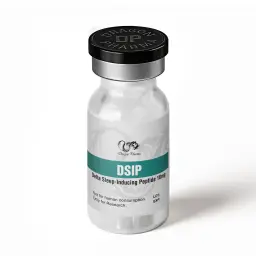
✔️ Promoting deep and restful sleep
✔️ Supporting stress reduction and relaxation
✔️ Enhancing recovery and overall well-being
✔️ Assisting in hormonal balance and repair processes

✔️ Supporting natural testosterone production
✔️ Enhancing muscle growth and strength
✔️ Promoting energy, vitality, and endurance
✔️ Assisting in overall male hormonal balance
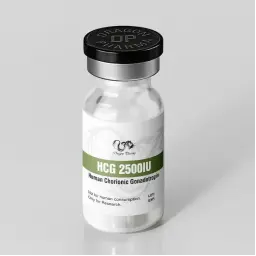
✔️ Restoring natural testosterone production
✔️ Supporting testicular health after cycles
✔️ Enhancing post-cycle recovery and strength
✔️ Maintaining hormonal balance
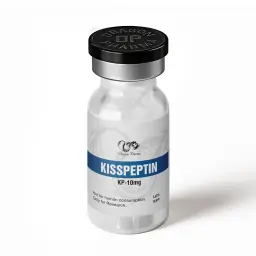
✔️ Stimulating natural hormone release (GnRH)
✔️ Supporting reproductive health and fertility
✔️ Enhancing libido and sexual function
✔️ Promoting overall endocrine balance
Endocrine Research Peptides
Introduction
The category of endocrine research peptides encompasses synthetic and naturally derived amino acid sequences studied in laboratory and preclinical settings to investigate hormonal signaling, receptor interactions, and endocrine system regulation. These compounds are primarily employed in in vitro cell culture studies, organotypic tissue models, and controlled animal experiments to explore molecular pathways underlying hormone synthesis, secretion, and signal transduction. All peptides in this category are strictly for research purposes only and are not approved for human or veterinary use.
Endocrine research integrates biochemistry, molecular biology, and physiology to examine regulatory networks governing hormone-mediated communication across tissues and organs. Peptides in this context serve as experimental tools to investigate receptor-ligand interactions, second messenger pathways, and feedback mechanisms without implying clinical or therapeutic application.
Biological Relevance and Mechanistic Context
Hormonal Signaling Pathways
Endocrine research peptides are frequently studied for their effects on key hormonal signaling cascades, including the cAMP/PKA pathway, MAPK/ERK signaling, and PI3K/Akt axis. These pathways regulate hormone secretion, receptor sensitivity, and downstream gene expression in endocrine tissues such as the pituitary, thyroid, adrenal glands, and pancreas. Laboratory studies focus on peptide interactions with hormone receptors and subsequent intracellular signaling dynamics.
Glandular Function and Tissue Regulation
Experimental models examine how peptides influence cellular activity in endocrine glands, including steroidogenesis, peptide hormone synthesis, and paracrine signaling. Peptide-mediated modulation of enzymatic activity, receptor expression, and intracellular communication is evaluated to understand tissue-specific regulation and homeostasis under controlled conditions.
Feedback Mechanisms and Network Integration
The endocrine system relies on complex feedback loops for precise regulation. Peptides in research settings are used to study interactions between hypothalamic, pituitary, and peripheral endocrine tissues, exploring negative and positive feedback mechanisms without implying therapeutic use. This research provides mechanistic insight into systemic hormonal regulation at the molecular and cellular level.
Key Compound Classes in Endocrine Research
Receptor-Targeting Peptides
These peptides are investigated for their binding to specific hormone receptors and modulation of receptor-mediated signaling. Laboratory studies focus on receptor activation, downstream signaling kinetics, and intracellular response patterns.
Secretagogue-Mimetic Peptides
Some peptides are studied for their ability to mimic endogenous secretagogues, facilitating research on hormone release and feedback regulation in preclinical models. These studies analyze signaling cascades associated with peptide-induced secretion events.
Regulatory and Feedback Modulators
Certain peptides are used to explore negative and positive feedback mechanisms in endocrine tissues. Laboratory studies investigate how peptide signaling influences hormone synthesis, receptor sensitivity, and cellular communication networks within glands.
Metabolic and Cellular Adaptation Peptides
A subset of endocrine research peptides is studied for their influence on cellular metabolism, nutrient sensing, and adaptive responses. These compounds are utilized to examine interactions between endocrine regulation and cellular energy homeostasis in experimental models.
Cross-Category Research Integration
Endocrine research peptides intersect with multiple domains of biomedical investigation. For example, metabolic research examines energy balance and nutrient-sensing pathways regulated by hormones, while reproductive research investigates hormone-mediated regulation of gametogenesis and tissue function. Regeneration research explores endocrine influences on tissue repair, and longevity research examines hormonal modulation of cellular senescence and lifespan-related pathways. Additionally, immune-support research intersects with endocrine research through studies of cytokine-hormone interactions.
Research Compliance and Ethical Considerations
All endocrine research peptides are strictly for laboratory and preclinical research purposes only. They are not approved for clinical, therapeutic, or diagnostic use by regulatory authorities, including the U.S. Food and Drug Administration. Researchers must comply with institutional biosafety protocols, ethical guidelines, and controlled experimental conditions when handling unapproved peptides.
Adherence to standards and recommendations from authoritative organizations, such as the National Institutes of Health and the World Health Organization, ensures scientific rigor, reproducibility, and safety in endocrine peptide research.
Frequently Asked Questions
What are endocrine research peptides?
Endocrine research peptides are short amino acid sequences used in laboratory studies to investigate hormone signaling, receptor interactions, and tissue-level endocrine regulation. They are not intended for therapeutic or clinical use.
Are these compounds approved for human use?
No. All endocrine research peptides are strictly for research purposes only and are not approved for clinical or veterinary applications.
What types of studies employ these peptides?
These compounds are commonly utilized in cell culture experiments, organotypic endocrine tissue models, and preclinical studies to examine hormonal signaling pathways, receptor dynamics, and feedback mechanisms.
How do endocrine peptides relate to other research areas?
They overlap with metabolic research, reproductive research, and longevity research due to shared signaling pathways, hormonal regulation of tissue function, and systemic feedback interactions.
Where can researchers find additional scientific literature?
Authoritative research articles and data on endocrine research peptides are accessible through resources such as PubMed and the National Center for Biotechnology Information.
References
PubMed – Biomedical Literature Database
NCBI – National Center for Biotechnology Information
WHO – World Health Organization

