


Buy Dragon Pharma peptides at PeptideShop.to. Premium quality compounds for sale with reliable sourcing, fast processing, and trusted peptide selection for athletes and researchers.

✔️ Supporting fat metabolism and weight management
✔️ Assisting in lean body composition maintenance
✔️ Supporting recovery from exercise and training
✔️ Promoting overall metabolic wellness

✔️ Supporting tendon, ligament, and muscle recovery
✔️ Promoting joint and soft tissue healing
✔️ Assisting in gut and digestive system repair
✔️ Enhancing recovery from injuries and training stress

✔️ Supporting appetite control and weight management
✔️ Assisting in fat loss and metabolic balance
✔️ Helping regulate blood sugar levels
✔️ Supporting lean body composition during training
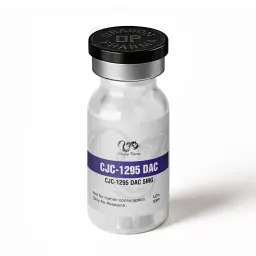
✔️ Stimulating natural growth hormone release
✔️ Supporting muscle growth and strength gains
✔️ Enhancing recovery and repair after workouts
✔️ Promoting fat metabolism and lean body composition

✔️ Supporting cellular health and longevity
✔️ Promoting improved sleep quality and circadian rhythm
✔️ Assisting in recovery and overall wellness
✔️ Supporting resilience under physical and mental stress
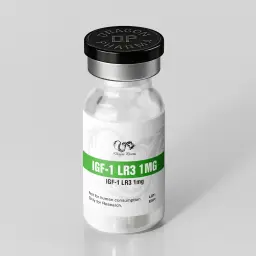
✔️ Supporting muscle growth and hypertrophy
✔️ Enhancing recovery and tissue repair
✔️ Promoting lean body composition
✔️ Improving strength and performance gains
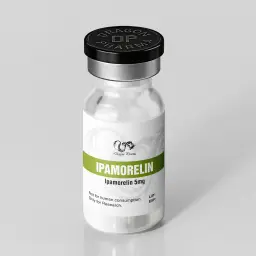
✔️ Stimulating natural growth hormone release
✔️ Supporting muscle growth and recovery
✔️ Enhancing fat metabolism and lean body composition
✔️ Promoting improved sleep and overall wellness
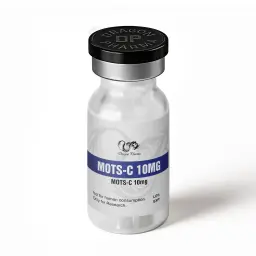
✔️ Supporting cellular energy and mitochondrial function
✔️ Enhancing metabolic rate and fat metabolism
✔️ Promoting endurance and exercise performance
✔️ Assisting in overall recovery and physical resilience
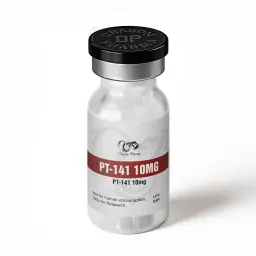
✔️ Enhancing sexual desire and libido
✔️ Supporting sexual function in men and women
✔️ Promoting arousal and intimate wellness
✔️ Boosting confidence during sexual activity

✔️ Supporting mood balance and reducing stress
✔️ Promoting relaxation without strong sedation
✔️ Supporting research on anxiety‑related responses
✔️ Studying potential immune system modulation

✔️ Enhancing focus, concentration, and mental clarity
✔️ Supporting memory and cognitive performance
✔️ Reducing stress and promoting emotional balance
✔️ Boosting overall brain function and mental resilience

✔️ Stimulating natural growth hormone production
✔️ Supporting muscle growth and recovery
✔️ Enhancing fat metabolism and lean body composition
✔️ Promoting energy, vitality, and overall wellness

✔️ Supporting tendon, ligament, muscle recovery
✔️ Promoting wound healing and tissue repair
✔️ Reducing inflammation and injury downtime
✔️ Enhancing overall recovery and performance

✔️ Promoting rapid tendon, ligament, and muscle repair
✔️ Supporting joint and soft tissue recovery
✔️ Reducing inflammation and injury downtime
✔️ Enhancing overall healing and athletic performance

✔️ Stimulating natural growth hormone release
✔️ Supporting fat metabolism and body composition
✔️ Enhancing muscle recovery and repair
✔️ Promoting overall energy, vitality, and wellness

✔️ Building Muscle Mass
✔️ Increasing Strength and Endurance
✔️ Supporting Fat Loss
✔️ Improving Bone Density

✔️ Building Lean Muscle
✔️ Increasing Strength and Performance
✔️ Supporting Fat Loss
✔️ Enhancing Bone Health

✔️ Diluting and reconstituting peptide powders for injection
✔️ Maintaining sterility of injectable solutions
✔️ Preventing bacterial growth in multi-use vials
✔️ Ensuring safe and accurate dosage preparation

✔️ Enhancing Endurance and Stamina
✔️ Supporting Fat Loss
✔️ Improving Cardiovascular Health
✔️ Boosting Exercise Performance

✔️ Supporting weight management and fat loss
✔️ Regulating appetite and promoting satiety
✔️ Enhancing metabolic function and insulin sensitivity
✔️ Assisting in overall body composition improvement
Dragon Pharma Peptides
Introduction and Overview
Dragon Pharma peptides refer to a branded line of peptide-based laboratory compounds associated with a commercial manufacturer operating within the broader research chemical and performance science market. In available documentation and product listings, this brand is positioned around a catalog of synthetic peptides intended for laboratory and preclinical research, with emphasis on signaling molecules involved in cellular repair, metabolic regulation, and endocrine-related pathways.
In scientific framing, peptides in general are short chains of amino acids that act as cell signaling mediators, enabling researchers to investigate receptor activation, intracellular cascades, and gene expression modulation. Within this context, "Dragon Pharma peptides" is a branding label applied to a range of such compounds rather than a distinct biochemical class. All compounds in this category are strictly considered for research purposes only and are not approved for human consumption, clinical use, or therapeutic application.
Biological Relevance
Peptide Signaling Mechanisms in Experimental Models
Peptides studied under this category are generally evaluated for their role in ligand–receptor interactions and downstream intracellular signaling. Key pathways commonly investigated in peptide research include MAPK/ERK, PI3K/Akt, JAK/STAT, and cAMP-dependent signaling. These pathways regulate gene transcription, protein synthesis, and cellular stress responses in controlled laboratory systems.
Cellular Repair and Tissue-Level Research Context
Many peptides associated with this category are studied in preclinical models of tissue remodeling and cellular recovery. Research contexts often include fibroblast activity, extracellular matrix signaling, angiogenesis pathways, and inflammatory mediator regulation. These investigations are performed using in vitro cell cultures and in vivo experimental models to better understand biological processes rather than clinical outcomes.
Metabolic and Endocrine Interaction Pathways
A significant portion of peptide research overlaps with metabolic and endocrine signaling systems. Laboratory studies may explore interactions involving insulin signaling pathways, growth hormone secretagogue pathways, and mitochondrial energy regulation via AMPK and mTOR networks. These mechanisms are foundational in systems biology and metabolic regulation research.
Key Research Compound Types Associated with Dragon Pharma Peptides
Growth Hormone Secretagogue Peptides
These compounds are studied for their interaction with growth hormone-releasing pathways, particularly at the hypothalamic and pituitary signaling level. Research focuses on receptor binding, pulsatile signaling dynamics, and downstream metabolic pathway activation in experimental systems.
Regenerative and Matrix-Related Peptides
This group includes peptides studied for their influence on extracellular matrix components, collagen expression, and tissue remodeling pathways. Such research is often conducted in models of connective tissue biology and cellular repair mechanisms.
Metabolic Signaling Peptides
These peptides are used in laboratory settings to investigate mitochondrial function, glucose regulation pathways, and cellular energy homeostasis. Their role is primarily to help map biochemical signaling networks in controlled environments.
Multicomponent Peptide Blends
Some formulations associated with this category include combinations of multiple peptides designed for simultaneous pathway analysis. These blends are used in experimental systems to evaluate synergistic signaling effects across overlapping biological mechanisms.
Internal and External Research Connections
Research involving peptide systems such as those associated with Dragon Pharma intersects with multiple biomedical fields. In neurocognitive research, peptides are used to study neuronal signaling and synaptic modulation. In endocrine research, they are applied to hormone-receptor interaction models and feedback regulation systems.
Further integration exists with metabolic research, where peptides are used to study energy homeostasis, and inflammation research, which investigates cytokine signaling and immune response modulation. Additional overlap includes regeneration research and cardiovascular research, where tissue remodeling and vascular signaling pathways are examined.
For scientific validation and peer-reviewed literature, researchers commonly rely on authoritative databases such as PubMed, NCBI, and institutional resources from the National Institutes of Health. Regulatory context and laboratory compliance guidelines are referenced through agencies such as the FDA and the World Health Organization.
Compliance and Disclaimer
All peptides referenced under the Dragon Pharma peptides category are strictly intended for laboratory and preclinical research purposes only. They are not approved for human consumption, medical treatment, or diagnostic use by any regulatory authority.
Researchers are required to follow institutional biosafety protocols, ethical guidelines, and applicable regulatory standards when handling experimental compounds. These materials must be used exclusively in controlled laboratory environments with appropriate oversight.
Frequently Asked Questions
What are Dragon Pharma peptides?
They are branded peptide compounds used in laboratory and preclinical research to study biological signaling pathways, receptor interactions, and cellular processes. They are not intended for human use.
Are these peptides approved for medical or clinical use?
No. All compounds in this category are strictly for research purposes only and are not approved for clinical, therapeutic, or diagnostic applications.
What do researchers study with these peptides?
Studies typically focus on cell signaling, metabolic pathways, endocrine regulation, tissue remodeling, and molecular biology mechanisms in controlled experimental models.
Which scientific fields use peptide research?
Peptide research is widely used in metabolic research, endocrine research, neurocognitive research, and regeneration research.
Where can reliable scientific information be found?
Peer-reviewed studies and molecular data are available through PubMed, NCBI, and research publications from the NIH.
References
PubMed – Peptide Signaling and Molecular Biology Research
NCBI – Protein and Peptide Biochemistry Resources
NCBI Bookshelf – Cellular Signaling Mechanisms
NIH – Biomedical Research and Molecular Pathways
FDA – Laboratory Research and Regulatory Information
WHO – Laboratory Safety and Research Guidelines

