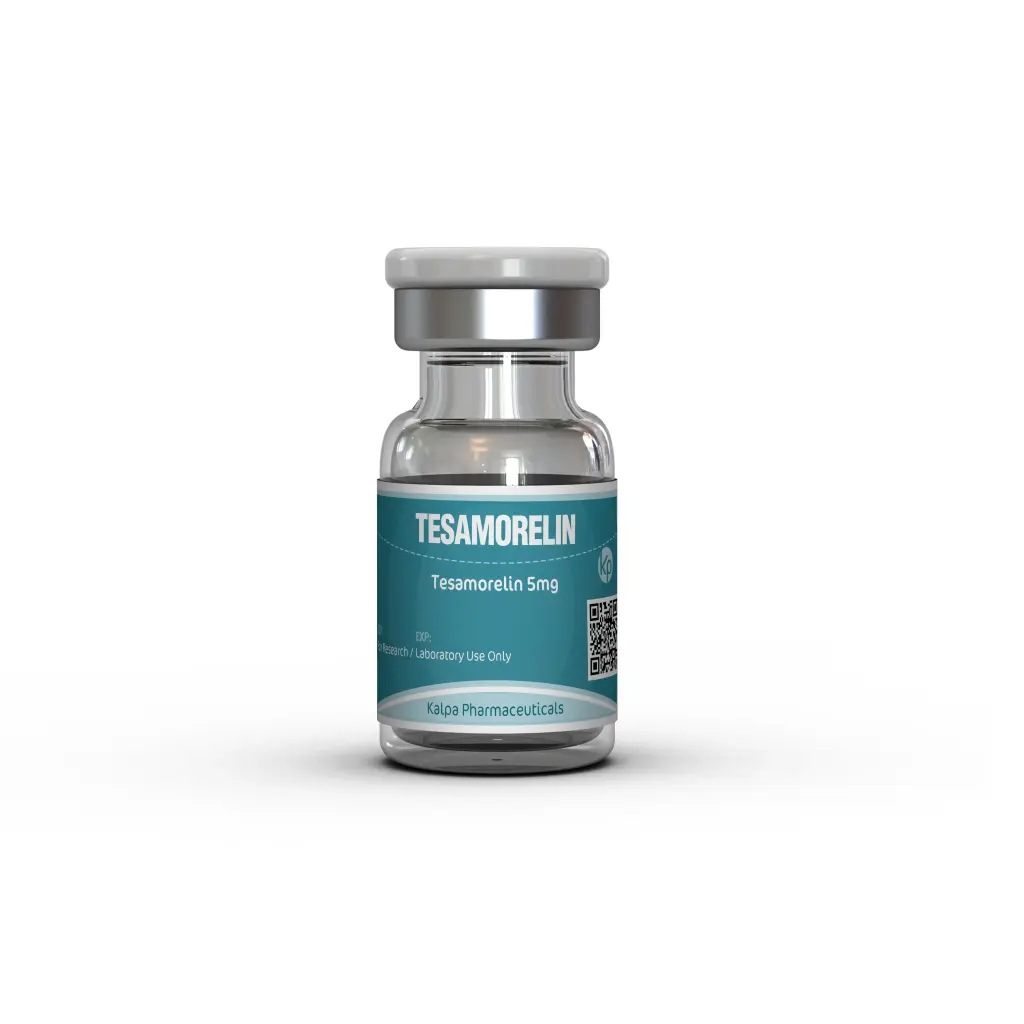
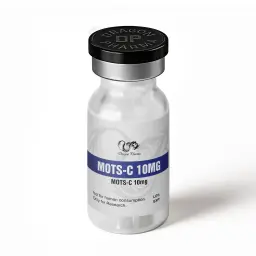
| Drug Class: |
Growth Hormone-Releasing Hormone (GHRH) analogue peptide |
| Molecular Formula: |
C221H366N72O67S |
| Molecular Weight: |
~5135.9 g/mol |
| Form: |
Lyophilized peptide (vial) |
| Purity: |
Not specified (typically ≥98% peptide purity for research-grade synthesis) |
| Sequence: |
Trans-3-Hexenoic acid-Tyr-Ala-Asp-Ala-Ile-Phe-Thr-Asn-Ser-Tyr-Arg-Lys-Val-Leu-Gly-Gln-Leu-Ser-Ala-Arg-Lys-Leu-Leu-Gln-Asp-Ile-Met-Ser-Arg-Gln-Gln-Gly-Glu-Ser-Asn-Gln-Glu-Arg-Gly-Ala-NH₂ |
| Brand: |
Kalpa Pharmaceuticals |
| Substances: |
Tesamorelin Acetate |
| Concentration: |
5mg |
Product Disclaimer: Research Purposes Only
This product is intended strictly for laboratory research and in vitro analysis. It is not approved for human or animal use. Any form of internal administration is prohibited by law. Handling should be limited to qualified and licensed professionals. This item is not classified as a pharmaceutical, dietary supplement, or cosmetic product. For educational and scientific research use only.
Tesamorelin 5mg – GHRH Analog Research Peptide by Kalpa Pharma Peptide
Introduction and Overview
Tesamorelin is a synthetic peptide analog of growth hormone-releasing hormone (GHRH) developed as a research tool for investigating hypothalamic-pituitary signaling and downstream endocrine pathways. In laboratory and preclinical settings, it is used to study receptor-mediated hormone release mechanisms and neuroendocrine regulation.
As a structurally modified GHRH analog, Tesamorelin is frequently utilized in experimental models exploring pituitary responsiveness, intracellular second messenger activity, and hormonal feedback loops within the endocrine system.
Tesamorelin is strictly intended for research purposes only and is not approved for human consumption, therapeutic use, or diagnostic application.
Biological Relevance
GHRH Receptor Signaling and Activation
Tesamorelin interacts with the growth hormone-releasing hormone receptor (GHRH-R), a G protein-coupled receptor expressed primarily in anterior pituitary somatotroph cells. Upon receptor engagement, several intracellular signaling cascades are activated:
- cAMP/PKA signaling pathway – primary mediator of endocrine gene transcription
- CREB phosphorylation mechanisms – regulation of hormone-related gene expression
- Calcium mobilization pathways – modulation of secretory vesicle activity
- MAPK/ERK signaling cascades – integration of extracellular signals
Neuroendocrine Axis Regulation
Research involving Tesamorelin focuses on the hypothalamic-pituitary axis and its regulatory feedback systems. These studies examine pulsatile hormone secretion, receptor sensitivity, and adaptive endocrine signaling under controlled laboratory conditions.
This area is closely associated with endocrine research and neurocognitive research.
Metabolic and Growth-Related Signaling Networks
Tesamorelin is also used in studies of downstream endocrine pathways, including:
- GH/IGF-1 axis regulation – endocrine growth signaling system
- mTOR signaling pathways – nutrient-sensitive cellular growth regulation
- AMPK energy sensing systems – metabolic adaptation and energy balance
These mechanisms are commonly investigated in metabolic research and longevity research.
Research Applications and Experimental Investigation
Receptor Binding and Endocrine Signaling Studies
Tesamorelin is used in receptor-binding assays to evaluate ligand affinity, receptor activation kinetics, and downstream signaling responses at the GHRH receptor level.
Pituitary Function Models
Experimental systems analyze somatotroph cell activity, hormone secretion dynamics, and feedback loop regulation within endocrine axis models.
Intracellular Signal Transduction Analysis
Studies investigate second messenger systems such as cAMP and calcium signaling involved in endocrine communication pathways.
Internal and External Research Connections
Tesamorelin-related research intersects with multiple biomedical disciplines. In cardiovascular research, endocrine signaling pathways are studied in vascular and metabolic regulation models. In musculoskeletal research, growth-related signaling is analyzed in tissue communication systems.
Additional overlap exists with regeneration research, where peptide signaling influences cellular repair mechanisms, and immune support research, which examines endocrine–immune interactions.
Scientific literature is commonly accessed via PubMed, the NCBI database, and institutional resources from the National Institutes of Health.
Product Information
Compound Details
- Product Title: Tesamorelin
- Active Substance: Tesamorelin
- Concentration: 5mg
- Pack Size: Vial
- Manufacturer: Kalpa Pharma Peptide
Compliance and Disclaimer
Tesamorelin is strictly intended for laboratory and preclinical research purposes only. It is not approved for human consumption, medical use, or diagnostic application by regulatory authorities including the U.S. Food and Drug Administration.
No claims regarding safety, efficacy, or physiological outcomes are made or implied. All research involving GHRH analogs must comply with institutional biosafety standards and applicable regulatory frameworks governing laboratory research substances.
Frequently Asked Questions
What is Tesamorelin?
Tesamorelin is a synthetic GHRH analog used in laboratory research to study pituitary hormone regulation and endocrine signaling pathways.
Which pathways are commonly studied with Tesamorelin?
Research focuses on cAMP/PKA signaling, MAPK/ERK cascades, calcium signaling, GH/IGF-1 axis regulation, and metabolic signaling systems.
Is Tesamorelin approved for human use?
No. Tesamorelin referenced here is strictly for research purposes only and is not approved for therapeutic or clinical applications.
Which scientific fields study GHRH analogs?
Relevant disciplines include endocrine research, metabolic research, neurocognitive research, and longevity research.
Where can scientific literature on growth hormone regulation be found?
Peer-reviewed resources are available via PubMed, NCBI, and institutional publications from the NIH.
References
PubMed – Tesamorelin and GHRH Research
NCBI – Hypothalamic-Pituitary Axis Regulation
NCBI – Cellular Signal Transduction Mechanisms
NIH – Endocrine System Research Resources
FDA – Laboratory Research Guidelines
WHO – Biomedical Research Standards and Ethics Frameworks
Tesamorelin – FAQ
✔️ What is Tesamorelin?
Tesamorelin is a Growth Hormone Releasing Hormone (GHRH) analog studied for stimulating natural HGH production and regulating metabolic function.
✔️ How does Tesamorelin work?
It activates the pituitary gland, increasing secretion of Human Growth Hormone (HGH) and downstream IGF-1 levels, supporting metabolic activity.
✔️ What is Tesamorelin mainly studied for?
It is widely researched for its effects on visceral fat reduction, body composition improvement, and metabolic health support.
✔️ How is Tesamorelin different from HGH?
Unlike direct HGH therapy, Tesamorelin stimulates the body’s own production of natural growth hormone pulses, acting as a secretagogue.
✔️ How should Tesamorelin be stored?
Store the Tesamorelin vial in a refrigerator at 2–8°C (36–46°F) and protect it from heat, light, and moisture to maintain stability and potency.
✔️ What happens after reconstitution?
After mixing with sterile bacteriostatic water, it should be refrigerated and used within the recommended timeframe to preserve effectiveness.
✔️ Is Tesamorelin used in clinical research?
Yes, it has been studied in clinical settings, particularly for abdominal fat accumulation and metabolic disorder research.
✔️ Can Tesamorelin help with fat loss research?
Studies suggest it may reduce visceral (deep abdominal) fat by improving lipid metabolism and hormonal signaling pathways.
✔️ Does Tesamorelin affect muscle mass?
Indirectly, increased HGH and IGF-1 activity may support lean body mass preservation and recovery processes.
✔️ Are there side effects of Tesamorelin?
Possible effects include injection site reactions, mild fluid retention, headache, or joint discomfort.
✔️ How is Tesamorelin typically administered?
It is commonly used via subcutaneous injection under structured research or clinical protocols.
✔️ Where can I buy authentic Tesamorelin?
Always source from trusted suppliers such as verified peptide vendors or reputable research chemical distributors to ensure purity, authenticity, and safety standards.
Tesamorelin – Storage and Safety
The correct storage and handling of Tesamorelin is essential to preserve its peptide stability, receptor activation efficiency, and growth hormone releasing activity. As a synthetic GHRH analog, Tesamorelin is highly sensitive to environmental changes and requires strict storage discipline to maintain its structural and functional integrity.
Controlled Storage Conditions
To ensure maximum potency, Tesamorelin vials must always be stored in a refrigerated environment between 2°C and 8°C (36°F–46°F). Stable cold conditions help maintain the integrity of the GHRH peptide structure, preventing degradation caused by heat exposure, UV light, or repeated temperature fluctuations.
The vial should remain in its original sealed packaging, protected from direct sunlight, humidity, and oxygen exposure. Exposure to unstable conditions can reduce the effectiveness of growth hormone releasing peptides, leading to diminished biological performance over time. Freezing is strictly prohibited, as it can permanently damage the molecular structure of Tesamorelin compounds.
Sterile Handling Guidelines
When working with Tesamorelin, strict sterile technique is required to ensure product safety and prevent contamination. Only sterile syringes and properly disinfected preparation tools should be used during reconstitution and administration procedures.
The rubber stopper should always be disinfected before each use, and contact with non-sterile surfaces must be avoided. The vial should not be shaken aggressively, as excessive mechanical force may compromise the stability of the Tesamorelin peptide solution and reduce consistency.
Post-Reconstitution Stability
Once reconstituted, Tesamorelin solution becomes more fragile and must be continuously refrigerated. Maintaining a stable cold environment is critical to preserve peptide potency and receptor binding activity. The solution should always be used within the recommended timeframe to ensure optimal effectiveness.
Any visible changes such as cloudiness, discoloration, or particulate formation may indicate degradation, and the product should not be used. Proper adherence to storage timelines ensures reliable metabolic and growth hormone support outcomes.
Safety and Responsible Use
Tesamorelin peptides should always be stored securely and kept out of reach of children or unauthorized individuals. Responsible handling is essential to maintain product integrity and prevent misuse or accidental degradation.
Following correct Tesamorelin storage protocols ensures long-term stability, preserves peptide structure, and supports consistent outcomes for users incorporating it into structured metabolic, research, or performance-focused routines.