


✔️ Fat metabolism and energy production
✔️ Exercise performance and endurance studies
✔️ Mitochondrial function research
✔️ Metabolic regulation and weight management
International (15 Days) U.S. Domestic (7 Days)
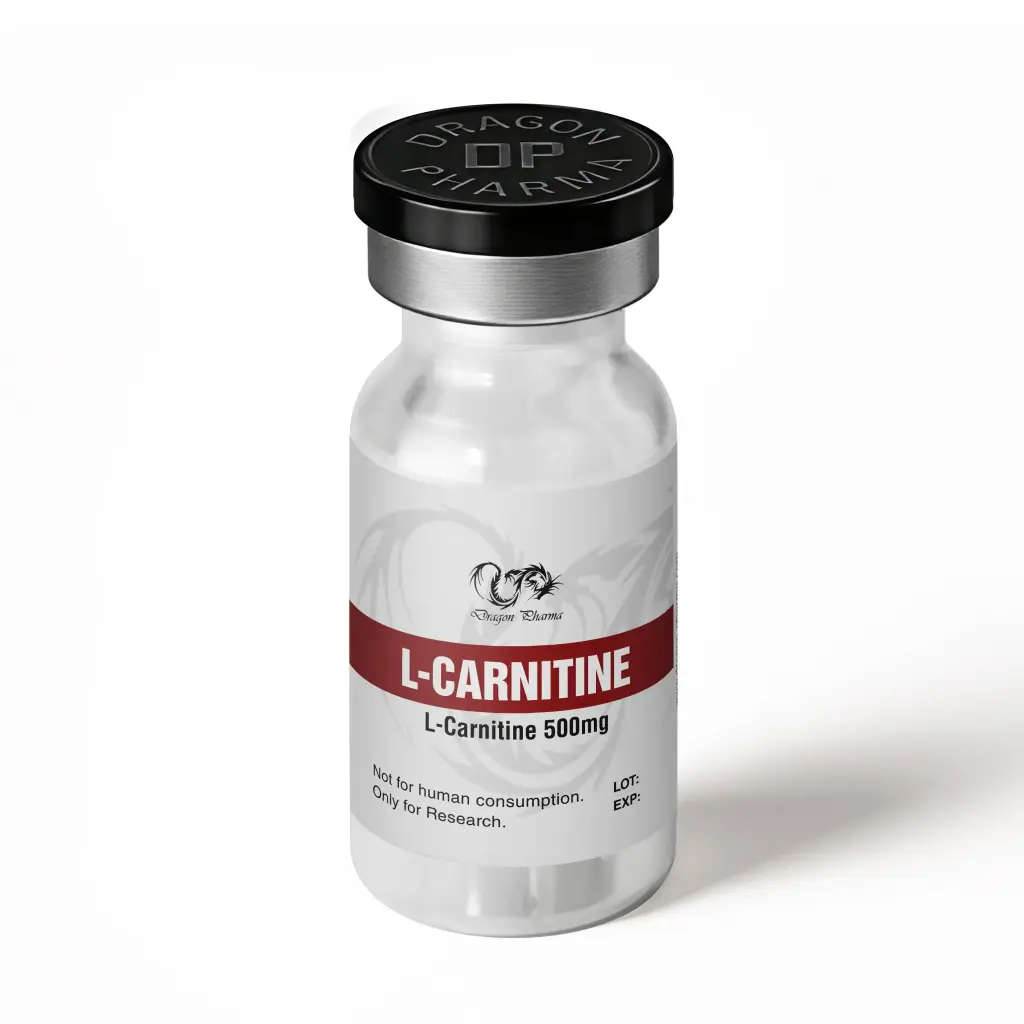
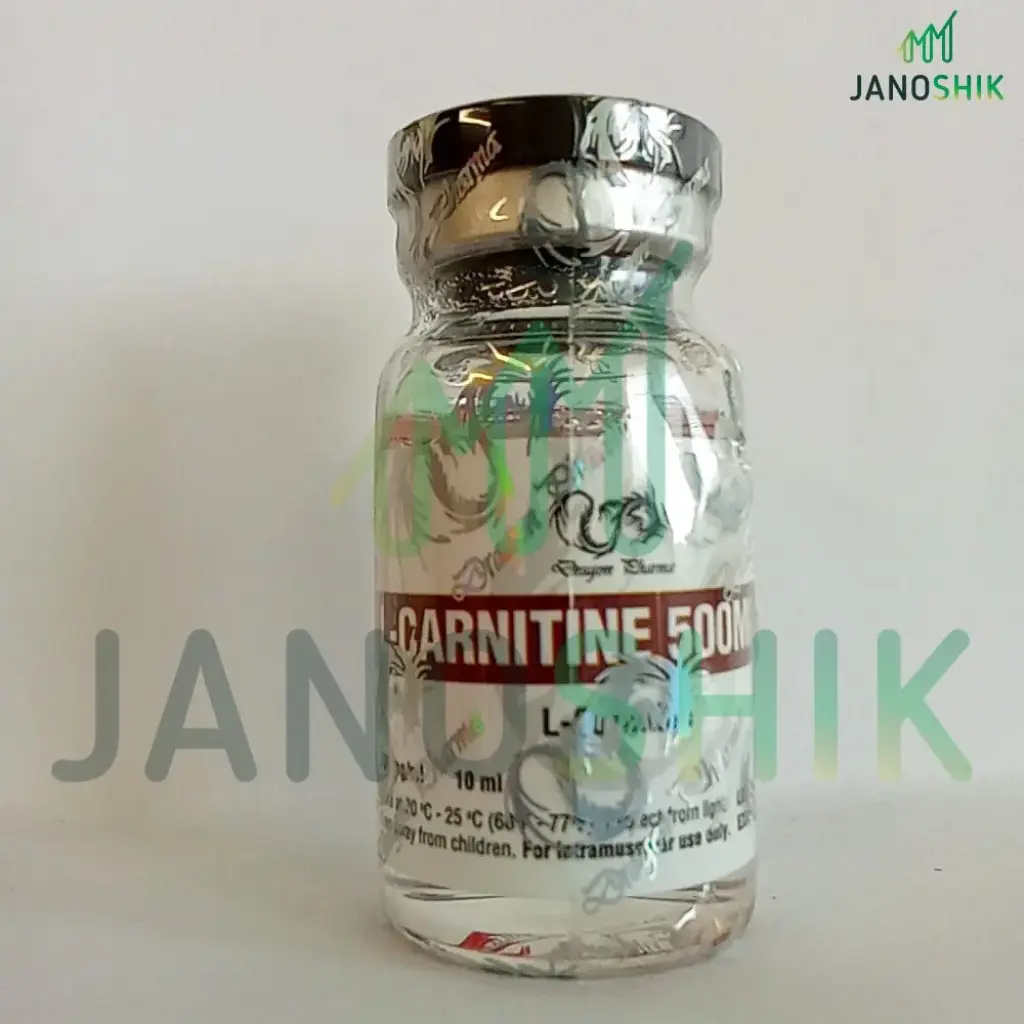
What is Dragon Pharma L-Carnitine 500mg?
L-Carnitine 500mg is a naturally occurring amino acid derivative essential for transporting long-chain fatty acids into mitochondria, where they are oxidized for energy production. It is widely studied for its role in fat metabolism, energy enhancement, and exercise performance. Research also investigates its potential benefits in cardiovascular health, metabolic regulation, and recovery, making it a popular peptide in experimental and sports science studies.
Mechanism of Action:
L-Carnitine 500mg facilitates the transport of fatty acids across the mitochondrial membrane, enabling their conversion into ATP for cellular energy. By promoting lipid oxidation, it reduces reliance on glycogen stores and enhances endurance. Additionally, L-Carnitine modulates acetyl-CoA levels, supports mitochondrial function, and reduces oxidative stress, which is valuable for research into metabolism, exercise physiology, and energy regulation.
Benefits:
Research Applications:
Dosing Instructions:
Stacking With Other Products:
Side Effects:
Contraindications:
Conclusion
L-Carnitine 500mg is a critical peptide for enhancing mitochondrial fatty acid transport, energy production, and metabolic efficiency. It supports exercise performance, recovery, and cardiovascular health in experimental and sports research. When combined with complementary compounds like ALA, creatine, or BCAAs, L-Carnitine can amplify energy metabolism, fat oxidation, and recovery outcomes. Proper dosing, administration, and cycle management are essential to maximize its efficacy and ensure research integrity.
References:
✔️ What is L-Carnitine 500mg?
L-Carnitine 500mg is a research-grade amino acid derivative that plays a key role in fatty acid transport into mitochondria, making it valuable for metabolic and energy-related studies.
✔️ How does L-Carnitine work?
It facilitates the transport of long-chain fatty acids into mitochondria, where they are oxidized for energy, supporting research on fat metabolism, endurance, and mitochondrial function.
✔️ What are the recommended storage conditions?
Store in a cool, dry place away from sunlight and heat, preferably at room temperature (20–25°C / 68–77°F). Avoid moisture and keep the vial sealed until use.
✔️ Is L-Carnitine 500mg safe for laboratory research?
Yes, when handled according to laboratory protocols, it is safe for controlled experimental studies. It is not intended for human consumption.
✔️ Can L-Carnitine be combined with other compounds?
Yes, it is often studied with peptides, amino acids, and metabolic enhancers to investigate synergistic effects on energy metabolism and fat oxidation.
✔️ How long is L-Carnitine stable after opening or reconstitution?
If liquid, store refrigerated at 2–8°C and use within the recommended timeframe to maintain maximum potency and reliability for research purposes.
Proper storage and handling of L-Carnitine 500 are essential to maintain its purity, stability, and research reliability. This supplement should be stored in a cool, dry place away from direct sunlight and heat sources, ideally at room temperature (20–25°C / 68–77°F). Avoid exposure to moisture, as it may affect the chemical integrity of the solution or powder form.
For liquid vials, keep the product tightly sealed and protected from contamination. Once opened, it should be used according to the research protocol and any remaining solution stored in a refrigerated environment (2–8°C / 36–46°F) to maintain efficacy. Do not freeze unless specifically recommended in protocol, as this may alter molecular stability.
Safety precautions include: wearing gloves and lab attire when handling the product, preventing direct contact with skin or eyes, and avoiding ingestion outside controlled experimental studies. Dispose of syringes, vials, and other materials according to biohazard or chemical waste guidelines.
Summary: Maintaining proper temperature, dryness, and contamination-free handling ensures that L-Carnitine 500 retains its full research effectiveness and safety for all experimental applications.
Please log in to write L-Carnitine 500 review.
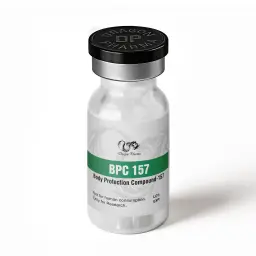
✔️ Supporting tendon, ligament, and muscle recovery
✔️ Promoting joint and soft tissue healing
✔️ Assisting in gut and digestive system repair
✔️ Enhancing recovery from injuries and training stress
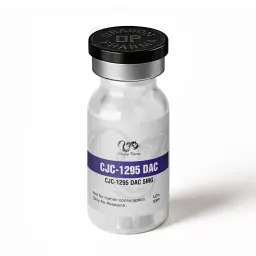
✔️ Stimulating natural growth hormone release
✔️ Supporting muscle growth and strength gains
✔️ Enhancing recovery and repair after workouts
✔️ Promoting fat metabolism and lean body composition
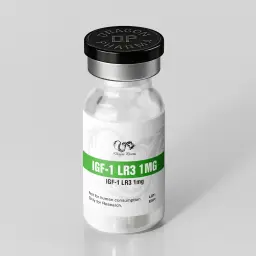
✔️ Supporting muscle growth and hypertrophy
✔️ Enhancing recovery and tissue repair
✔️ Promoting lean body composition
✔️ Improving strength and performance gains
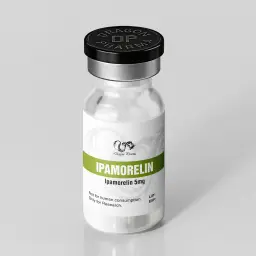
✔️ Stimulating natural growth hormone release
✔️ Supporting muscle growth and recovery
✔️ Enhancing fat metabolism and lean body composition
✔️ Promoting improved sleep and overall wellness
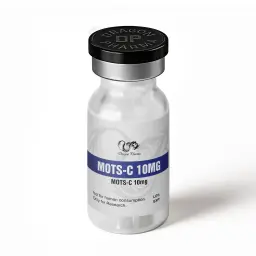
✔️ Supporting cellular energy and mitochondrial function
✔️ Enhancing metabolic rate and fat metabolism
✔️ Promoting endurance and exercise performance
✔️ Assisting in overall recovery and physical resilience
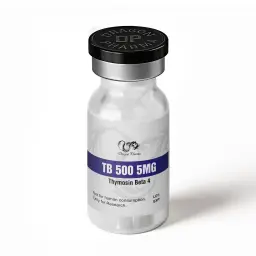
✔️ Supporting tendon, ligament, muscle recovery
✔️ Promoting wound healing and tissue repair
✔️ Reducing inflammation and injury downtime
✔️ Enhancing overall recovery and performance